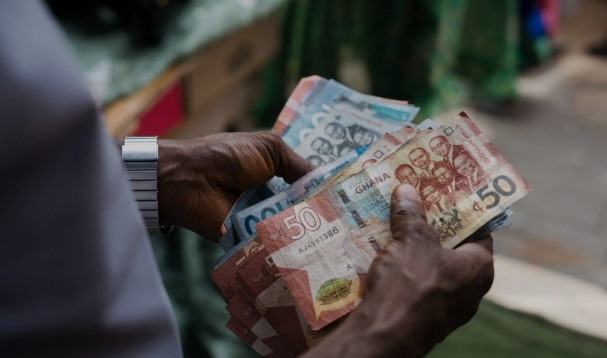
The Ghana cedi has been on a sustained depreciation path since late March 2026 following the escalation of the US–Israel–Iran conflict in the Middle East. For many Ghanaians, espec
The report indicates that the Ghana cedi has been on a sustained depreciation path since late March 2026 following the escalation of the US–Israel–Iran conflict in the Middle East.
It further notes that for many Ghanaians, especially after the cedi’s remarkable performance in 2025, the recent weakening has raised concerns about whether the currency is coming under renewed pressure and whether there is cause for alarm.
The recent depreciation feels unusual largely because the cedi is coming off one of its strongest performances in modern Ghanaian history.
In 2025, the cedi appreciated by about 40.7% against the US dollar after decades of almost continuous annual depreciation.
The currency started 2025 trading around GH¢14.7 to the dollar and ended the year near GH¢10.4.
After such an extraordinary appreciation, it is easy to forget that currencies are still expected to move. In reality, maintaining a completely stable exchange rate after such a sharp gain would have been difficult.
In fact, President Mahama indicated during engagements with the business community in 2025 that a gradual annual depreciation of around 5% would be considered acceptable if it supports stability and competitiveness.
A 5% depreciation from the cedi’s end-2025 level would place the currency somewhere around GH¢11 to the dollar by the end of 2026, which remains far stronger than where the currency traded before its 2025 rally.
Importantly, many of the major factors that supported the cedi’s appreciation in 2025 still broadly remain in place.
Gold prices are still elevated, fiscal policy has remained relatively disciplined and Ghana continues to benefit from strong gold export earnings.
The creation of GoldBod also changed the foreign exchange dynamics of the market by centralizing much of Ghana’s gold export proceeds and channeling those inflows toward the Bank of Ghana through a relatively inefficient structure.
However, the current pressures on the cedi appear to stem from a combination of rising dollar demand and some temporary disruptions to dollar inflows.
The biggest pressure point currently is energy imports.
The ongoing Middle East conflict has pushed global oil prices sharply higher, with crude prices rising from around $60–70 per barrel before the conflict to periods above $100 per barrel.