According to the Bank of Ghana, the total provision consisted of loan losses, depreciation, and other items.
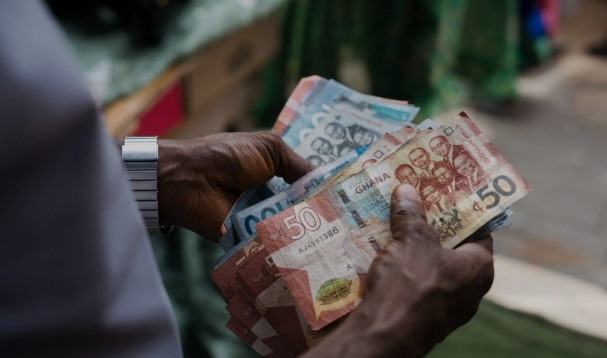
The report indicates that banks operating in Ghana wrote-off GH¢883.7 million as bad debt in the first four months of 2026, according to the Domestic Money Banks Income Statement.
It further notes that this was 35.1% increase over the corresponding period of GH¢654.2 million in April 2025.
According to the Bank of Ghana, the total provision consisted of loan losses, depreciation, and other items.
A loan write-off is an accounting action where a lender removes a defaulted or uncollectable loan often 180+ days past due from their active balance sheet to clean up their financial statements.
Meanwhile, the asset quality risks remained elevated in April 2026, although some improvement was observed as the industry’s Non-Performing Loans (NPL) ratio declined to 18.0% from 23.6% a year earlier.
Similarly, the NPL ratio adjusted for the fully provisioned loan loss category declined from 9.0% to 5.6% during the same comparative period.
The NPL stock also declined to GH¢20.7 billion in April 2026 from GH¢21.7 billion recorded in April 2025. Decomposition of the NPL showed that the private sector accounted for the most non-performing loans due to its dominant holdings in total credit.
The proportion of NPLs attributable to the private sector increased to 98.2% in April 2026, from 96.5% in April 2025, while that of the public sector declined to 1.8%, from 3.5% a year earlier.
The decline in the industry’s NPL ratio year-on-year reflected improvements in asset quality across all sectors except the agriculture, forestry and fishing sector during the period under review.
Accordingly, the NPL ratio in the agriculture, forestry and fishing sector increased from 62.1% in April 2025 to 66.1% in April 2026.