Ghana's heavy dependence on extractive sector revenues to finance major infrastructure projects could expose the country to significant risks if global commodity prices decline, th
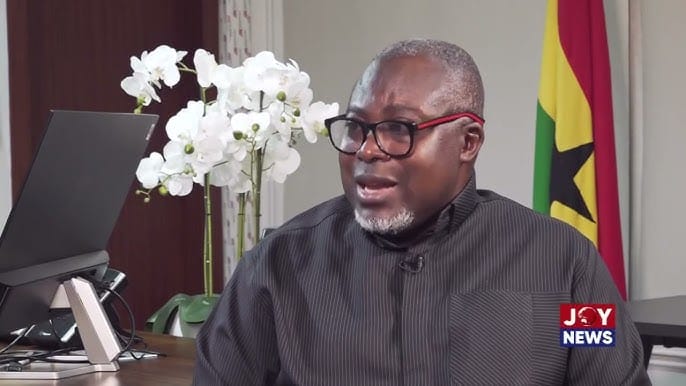
The report indicates that ghana’s heavy dependence on extractive sector revenues to finance major infrastructure projects could expose the country to significant risks if global commodity prices decline, the Executive Secretary of the Public Interest and Accountability Committee (PIAC), Isaac Dwamena, has cautioned.
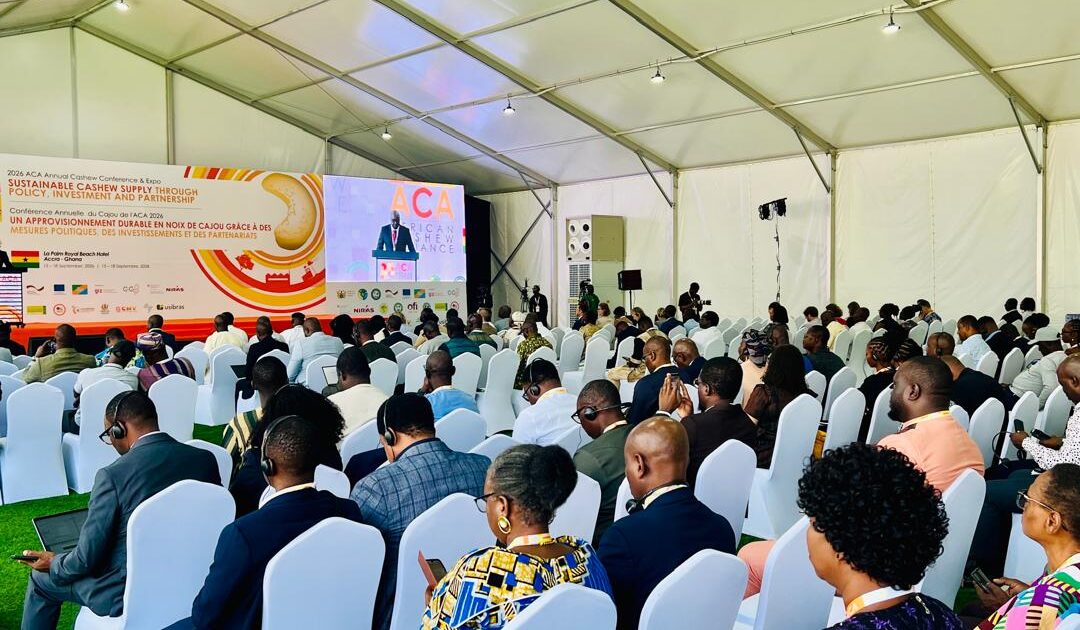
It further notes that speaking at a capacity-building workshop for journalists organised by the Africa Extractive Media Fellowship, Mr. Dwamena warned that relying heavily on petroleum and mineral revenues to fund projects such as the proposed Kumasi Accra Expressway could delay implementation if revenue inflows are disrupted by changes in global markets.
He noted that fluctuations in international oil and mineral prices have historically affected government revenues, making it risky to finance large-scale infrastructure projects solely from extractive sector receipts.
According to the PIAC 2025 Report, petroleum revenues have experienced periodic instability, with annual inflows rising and falling in response to changes in global prices and production levels. He stated the trend highlights the need for prudent financial planning and greater diversification.
Mr. Dwamena also referenced findings from the Ghana Extractive Industries Transparency Initiative 2023 Report, which show that although the extractive sector remains a major contributor to government revenue, its performance is highly vulnerable to external market conditions.
While mineral revenues, particularly from gold, have remained relatively strong, he stated they are still susceptible to international price fluctuations, reinforcing the need for a more sustainable financing strategy.
Despite the risks, Mr. Dwamena commended the government’s decision to concentrate extractive revenues on fewer high-impact projects instead of spreading resources across numerous initiatives.
He described the decision to prioritise the Kumasi-Accra Expressway as a more efficient use of public resources that could deliver greater value for money and more visible development outcomes.
However, he emphasised that infrastructure spending alone is not enough. He called for greater diversification in the use of extractive revenues through strategic investments capable of generating long-term returns.
As an example, he cited the reported investment of 30 million dollars in the expansion of Kotoka International Airport, which he stated has generated more than 17 million dollars in returns over time. According to him, similar investments could create sustainable revenue streams and help shield the economy from commodity price shocks.
Mr. Dwamena also expressed concern about the enforcement of existing petroleum revenue management laws, pointing to cases of misapplication and weak accountability.
He called for stricter compliance with the legal framework governing the management of extractive revenues to minimise leakages and ensure public funds are used for their intended purposes.
Addressing journalists, he urged the media to strengthen its capacity to report on the extractive sector and play a more active role in promoting transparency and accountability.
According to him, an informed and well-equipped media remains essential to safeguarding the public interest and ensuring that Ghana derives maximum value from its natural resources.