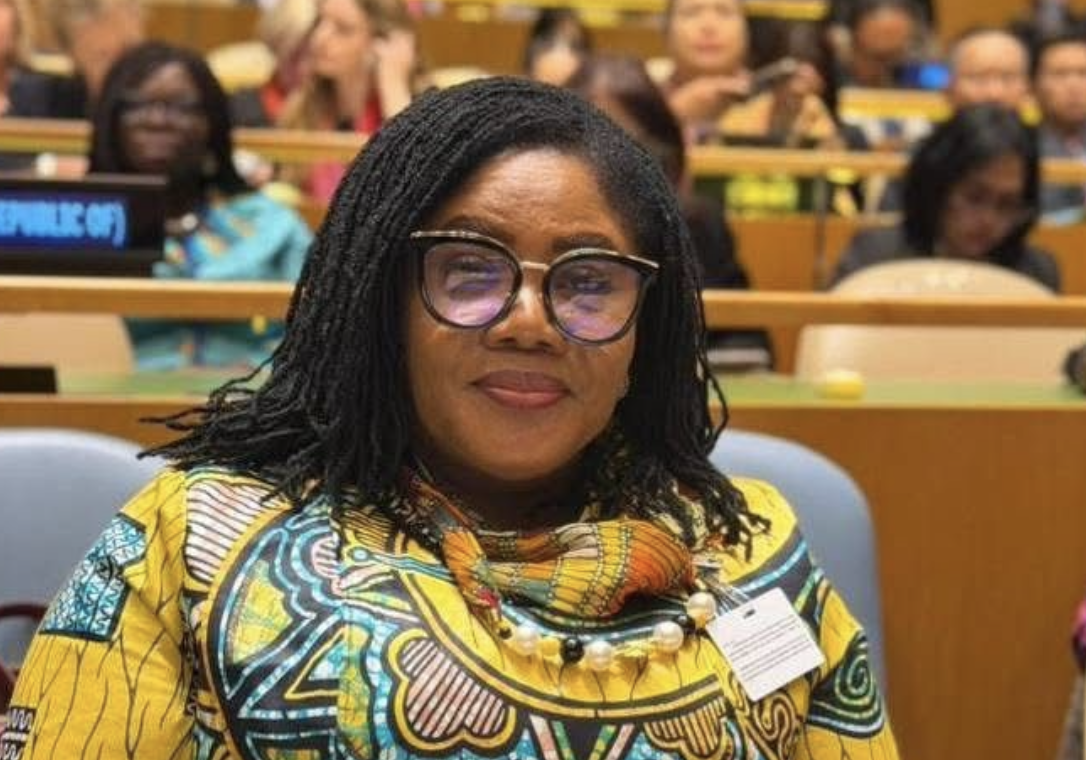
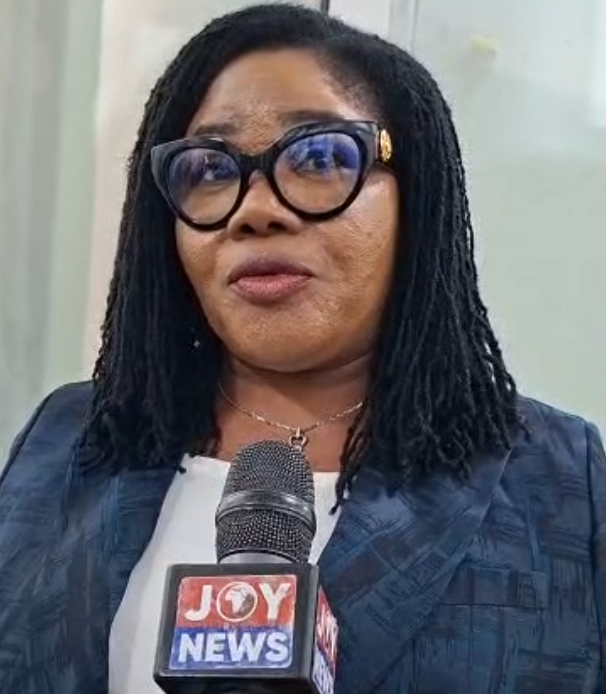
Kwabena Okyere Darko-Mensah, the Member of Parliament (MP) for Takoradi, has proposed consolidation policies to fundamentally restructure Ghana’s mining sector.
The report indicates that kwabena Okyere Darko-Mensah, the Member of Parliament (MP) for Takoradi, has proposed consolidation policies to fundamentally restructure Ghana’s mining sector.
It further notes that presenting his proposals under the theme: “What Reset Are You Proposing?,” he outlined a comprehensive framework that sought to decentralise mining regulations to increase community participation and promote responsible and sustainable mining practices.
He noted that empowering local communities and decentralising decision-making were key to ending illegal mining (galamsey) and environmental destruction.
Mr Darko-Mensah stated Ghana’s current approach to mining governance had failed to adequately address the challenges of galamsey, while also denying mining communities their fair share of benefits from the country’s vast mineral wealth.
He said: “At the heart of the proposal is the decentralisation of all mining licences to the district level with traditional authorities playing a central role through existing District Mining Committees established by laws, so that licence applications will begin and end at the district level to improve accountability and local ownership.”
The MP further proposed a new revenue-sharing formula from mining proceeds, with 18 per cent allocated to mining communities for development and investment, two per cent to district administrations, five per cent for reclamation, replanting and environmental restoration, another five per cent for royalties, and the remaining 70 per cent directed into the national coffers.
Mr Darko-Mensah argued that such a model was feasible, noting that large-scale mining companies already made significant contributions to the state through taxes, royalties, corporate social responsibility initiatives, and other statutory payments.
He also called for the introduction of a mobile licensing regime to regularise the activities of all miners, particularly rock miners, whom he described as generally causing less environmental damage compared to alluvial miners.
Again, he proposed that every mining licence holder should be assigned a qualified engineer to supervise operations and enforce standards relating to safety, water pollution prevention, land restoration, and the proper use of approved chemicals.
He stated this would create employment opportunities for professionals, while helping Ghana establish a globally recognised and responsible gold mining brand.
To address pollution of water bodies, Mr Darko-Mensah advocated the establishment of centralised processing centres and tailing dams for alluvial miners.
He stated a transportation cost-sharing mechanism, similar to systems used in the cocoa and fuel sectors, could make such facilities affordable to miners while, ensuring environmentally friendly processing methods.
The MP also proposed a major restructuring of the shareholding composition of GoldBod, suggesting that the government ownership should be reduced from 100 per cent to 40 per cent, saying; miners should own 25 per cent, traders 20 per cent, and traditional authorities 15 per cent.
Mr Darko-Mensah explained that broader stakeholder participation would improve upon policy implementation and promote collective responsibility in tackling environmental degradation, town planning, and responsible mineral sourcing.