Stakeholders in Ghana’s honey industry are pushing for stronger quality controls, certification and traceability systems as the country works to regain access to the European Union
The report indicates that stakeholders in Ghana’s honey industry are pushing for stronger quality controls, certification and traceability systems as the country works to regain access to the European Union (EU) market and expand its presence in the global honey trade.
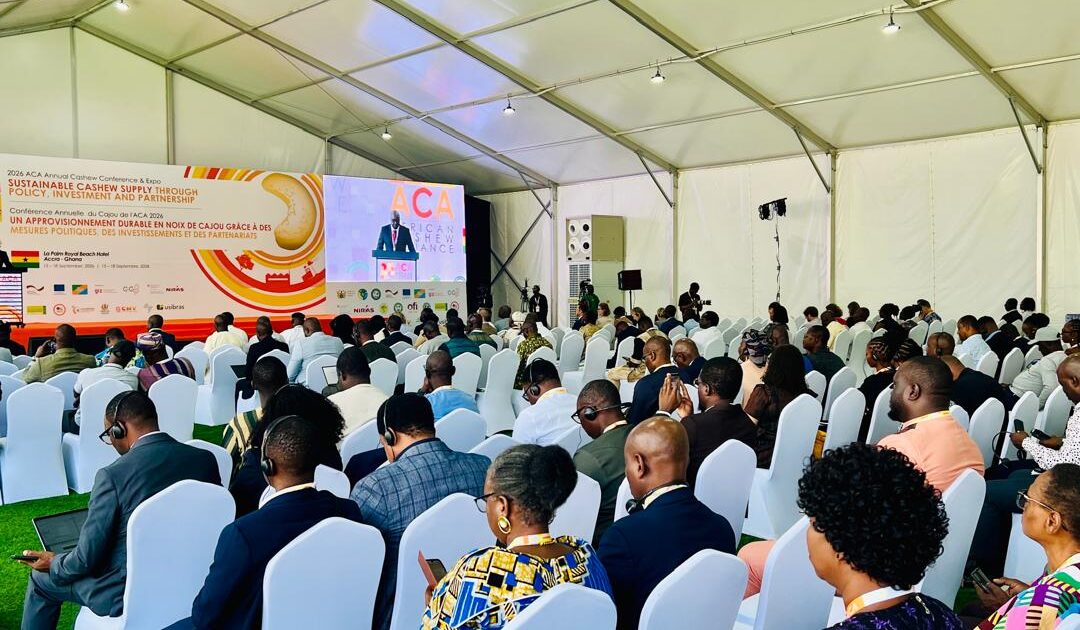
It further notes that the call was made at the Ghana Forum for Beekeeping and Biodiversity Initiatives (GhaFBBI-2026), where government representatives, researchers, development partners and industry players discussed ways to strengthen the country’s apiculture sector and improve the value chain.
Board Chair of the West Africa Centre for Agribusiness and Apiculture Development (WACCAD), Rev. Prof. Peter Kofi Kwapong, stated consistent production of high-quality honey would allow Ghanaian producers to compete favourably on the international market and attract premium prices.
He explained that meeting recognised production standards was critical to building confidence among buyers.
“You have a standard for production of your honey. The people who need honey come and chase you for it. And you can charge them any amount and they will pay. And that’s where you create wealth,” he said.
Rev. Prof. Kwapong, who is also a honey producer, stated maintaining quality standards had helped him attract customers from different parts of the country, stressing that Ghana must adopt similar approaches to position its honey as a premium product.
“That’s what we want Ghana to be. Let’s do our honey in a standard form,” he added.
The discussions come at a time Ghana is working to address regulatory concerns that led to the suspension of its honey exports to the European Union.
Minister Counsellor for Trade and Intellectual Property in Africa at the Delegation of the European Union to Ghana, Gregor Schneider, stated Ghana’s honey was removed from the EU import list due to concerns relating to its residue management plan.
He stated ongoing engagements with Ghanaian authorities are aimed at resolving the outstanding issues and restoring access to the market.
“The honey from Ghana was delisted and could not be imported any more into the European Union because there are certain issues about the residues management plan. We are trying to work together with the Ghanaian authorities to fix the situation and to be able to export again Ghana honey to the European Union,” he stated.
Lead Consultant at WACCAD, Dr Courage Komla Besah-Adanu, stated Ghana has the potential to access premium international markets but must complete key technical and regulatory requirements.
According to him, strengthening industry systems, improving compliance and ensuring proper certification will be essential for Ghanaian honey producers to compete globally.
“Ghana has been ready all these years, just as everyone aspires to enter into premium markets such as the European Union markets, except that some of our activities that we have to do to make sure that we are fully ready, we’ve lagged behind a bit,” he said.