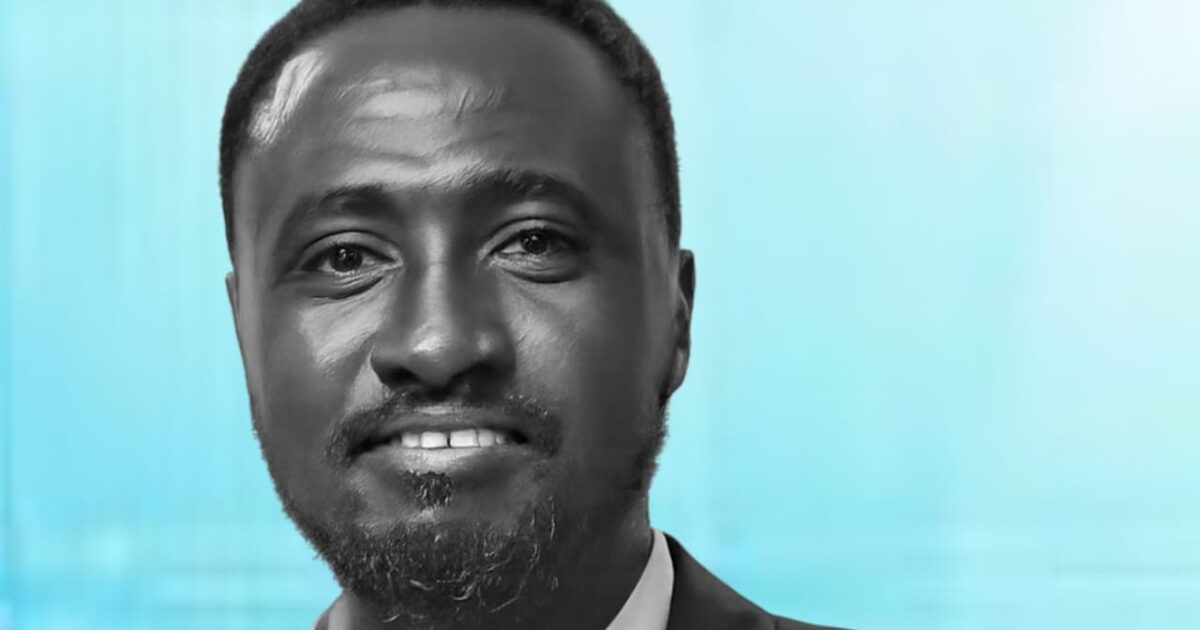
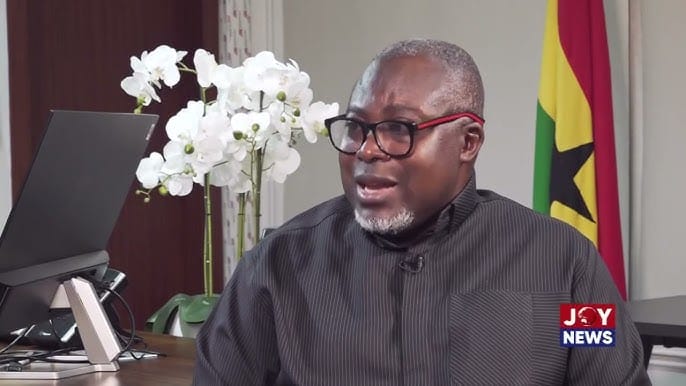
Founder and Executive Chair of E-Crime Bureau, Dr. Albert Antwi-Boasiako, says social engineering remains one of Ghana’s weakest links in the fight against digital fraud. He says f
The report indicates that founder and Executive Chair of e-Crime Bureau, Dr Albert Antwi-Boasiako, says social engineering remains one of Ghana’s weakest links in the fight against digital fraud.
It further notes that he says fraudsters are increasingly exploiting human trust, fear, ignorance and online habits to steal money or personal information from unsuspecting users.
The threat, he explains, is no longer limited to suspicious phone calls. It now includes phishing links, cloned Facebook accounts, fake public officials, fraudulent e-commerce websites and impersonation of trusted brands.
“We have all received calls where someone says, ‘I’m calling from MTN. Can you provide your PIN?’ MTN will not call you to request your PIN. Some people can detect these tricks, but what about the wider population, especially vulnerable people who may not be able to recognise social engineering attacks?” he said.
Dr Antwi-Boasiako was speaking in a yet-to-be-aired documentary, “The Trust Crisis,” ahead of the maiden Digital Economy Forum under the theme, “The Trust Crisis: Why Fraud Is Holding Back Ghana’s Digital Economy.”
The thought-leadership platform, an initiative of Hubtel, will air on JoyNews and Joy FM on Wednesday, July 22, 2026, at 8 p.m.
The forum will bring together regulators, banks, fintech companies, telecommunications firms, cybersecurity experts, businesses and consumers to examine how fraud is affecting confidence in Ghana’s digital economy.
DDrAntwi-Boasiako stated social engineering has become dangerous because it targets the user rather than only the technology.
Banks, fintechs and telecommunications companies may build stronger systems, but fraudsters can still succeed when they persuade customers to disclose PINs, passwords, one-time passwords or other sensitive details.
The Bank of Ghana has also identified social engineering as a major vulnerability within Ghana’s digital payment space. In its 2024 fraud report, the central bank directed payment service providers to strengthen authentication systems, introduce customer-behaviour monitoring technologies, educate customers, and improve monitoring and training of mobile money agents.
DrDrntwi-Boasiako stated phishing attacks have also become common. He stated criminals are using several online channels at once, making fraud harder for ordinary users to detect.
“There are also organised groups using phishing attacks. They send links that appear legitimate. You click the link, enter your details, and they use that information to defraud you. It is not just calls. It is not just links. Criminals clone Facebook accounts, impersonate public officials and create fake online identities. Sometimes, they set up websites that look like legitimate e-commerce platforms. You either give away information or end up parting with money,” he said.
His warning comes at a time when Ghana’s digital finance ecosystem is expanding rapidly.
The Bank of Ghana’s 2024 Payment Systems Oversight Annual Report says Ghana’s payment landscape remained buoyant and robust in 2024, as adoption of digital payments increased and the central bank focused on oversight to minimise risks in the sector.