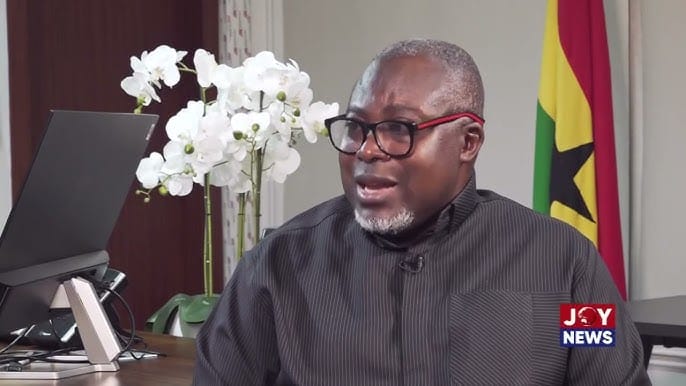
The Founder and Chairman of the Entrepreneurs Foundation of Ghana, Sam Ato Gaisie, has called for a shift in investment from Accra to other regions, arguing that the success of the
The report indicates that the Founder and Chairman of the Entrepreneurs Foundation of Ghana, Sam Ato Gaisie, has called for a shift in investment from Accra to other regions, arguing that the success of the government’s 24-Hour Economy policy depends on balanced development across the country.
It further notes that he stated directing more public and private investment to regional capitals would spur industrialisation, create jobs for young people and unlock the economic potential of every part of the country.
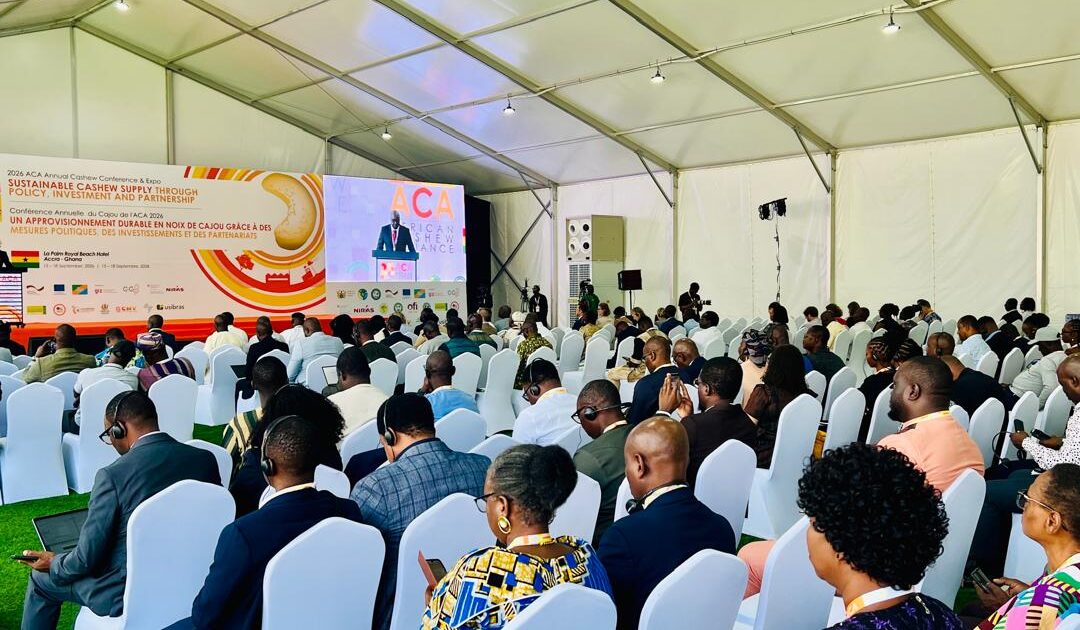
“The time has come to build strong regional economies that create jobs where people live. We must encourage companies to establish factories, processing plants, logistics hubs, technology centres and service industries in the regions,” Mr Gaisie stated at the Made in Ghana Business Summit 2026 which took place in Accra on Friday (June 10).
The summit was held on the theme, “Unlocking Regional Potential: Driving Industrialisation, Youth Entrepreneurship, Job Creation and Made in Ghana Prosperity.”
Mr Gaisie stated while Accra remained the country’s commercial hub, the heavy concentration of economic activity in the capital had created growing challenges, including traffic congestion, housing shortages, environmental degradation and recurrent flooding.
He stated those challenges highlighted the need to decentralise investment and business activities to other regional capitals and emerging cities.
“For far too long, economic activity has been concentrated in Accra. Our future prosperity depends on decentralising investment and business activities across all regional capitals and emerging cities,” he said.
Mr Gaisie noted that the country possessed vast agricultural land, mineral resources, tourist attractions and talented young people across its regions, but many of those opportunities remained underdeveloped while thousands of young people continued to migrate to Accra in search of employment.
He stated investing outside Accra would help businesses access new markets, reduce operational costs, strengthen local supply chains and support balanced national development.
He indicated that every region had unique economic strengths which, if fully developed, would transform regional capitals into vibrant business hubs capable of attracting both local and foreign investment.
Mr Gaisie encouraged young people to see the regions as places where they could build successful businesses instead of relocating to Accra in search of limited opportunities.
He identified agribusiness, agro processing, tourism, manufacturing, creative industries, digital innovation and green enterprises as sectors with significant potential to generate jobs and wealth.
He stated creating employment in the regions would reduce rural urban migration while promoting inclusive economic growth.
Mr Gaisie called for stronger collaboration among government, the private sector, development partners, financial institutions and international investors to accelerate regional industrialisation.