Ghana possesses significant pools of domestic capital capable of financing major infrastructure projects, supporting businesses, and accelerating economic growth, but structural ba
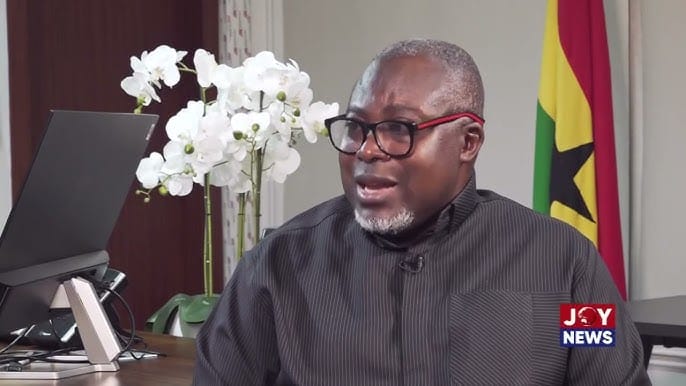
The report indicates that ghana possesses significant pools of domestic capital capable of financing major infrastructure projects, supporting businesses, and accelerating economic growth, but structural barriers continue to prevent those funds from reaching productive sectors of the economy, Board Chair of the Ghana Venture Capital and Private Equity Association (GVCA) Matthew Boadu Agyei has said.
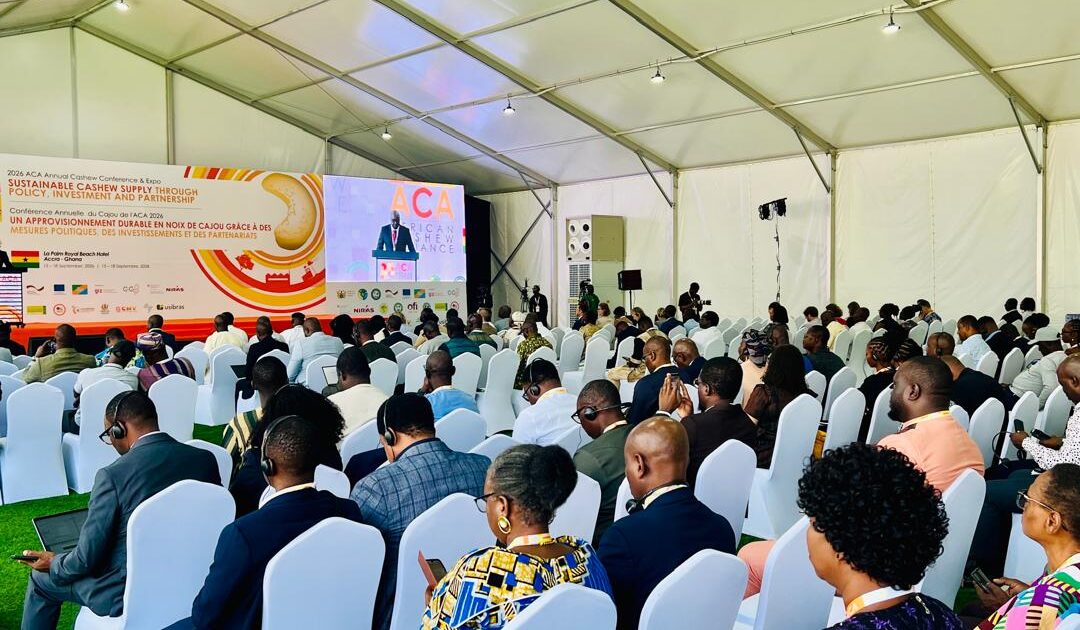
It further notes that speaking at the opening of the 2026 GVCA Annual Industry Conference in Accra, Mr. Agyei called for stronger collaboration among investors, policymakers, fund managers and entrepreneurs to unlock what he described as “trapped capital” within the country’s financial system.
According to Mr. Agyei, Ghana’s economic transformation will increasingly depend on the country’s ability to mobilize and deploy domestic resources rather than relying solely on foreign investment.
“The reality is clear. While foreign capital remains important, the next phase of Ghana’s economic transformation will be defined by how effectively we mobilise domestic capital and deploy it into productive, scalable, and resilient sectors of our economy,” he said.
He noted that large amounts of capital remain underutilised within pension funds, insurance pools, family offices, and corporate balance sheets, despite growing opportunities in private markets and infrastructure development.
To illustrate the potential impact of domestic investment, Mr. Agyei pointed to the possibility of financing major national infrastructure projects through local capital.
“Imagine an ecosystem that can finance and build the Accra-Kumasi Expressway to international standards and then transfer ownership to Ghanaian pension funds. We would not only cut travel time dramatically but also create long-term value for our own people while building a more sustainable future,” he said.
He observed that unlocking capital requires more than simply attracting investors. Rather, it demands deliberate efforts to strengthen confidence within the investment ecosystem.
He identified trust, innovation, and policy coordination as the three critical pillars needed to unlock domestic investment.
“We must build trust through strong governance, transparency, and performance. Track records matter because investors allocate capital where they have confidence that it will be managed responsibly and generate results,” he stated.
Mr. Agyei further emphasised the need for innovative investment structures capable of aligning investor expectations with long-term development objectives. He argued that creating appropriate investment vehicles would help channel more institutional capital into alternative asset classes.
He also urged closer collaboration among regulators, fund managers, institutional investors and entrepreneurs, warning that inconsistent policy measures could discourage long-term investment commitments.
“We need a predictable regulatory environment. Investors need certainty. Capital does not respond well to frequent shifts in tax policies and investment regulations,” he said.
Throughout his address, Mr. Agyei emphasised the importance of moving beyond discussions to practical implementation.