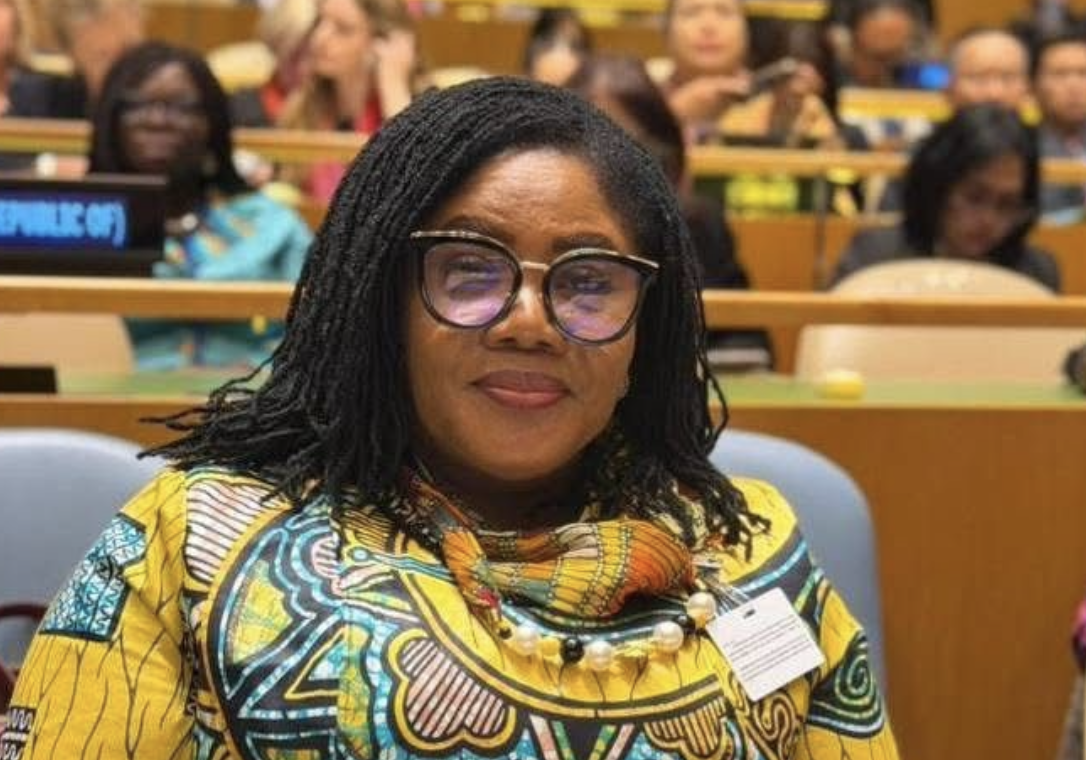
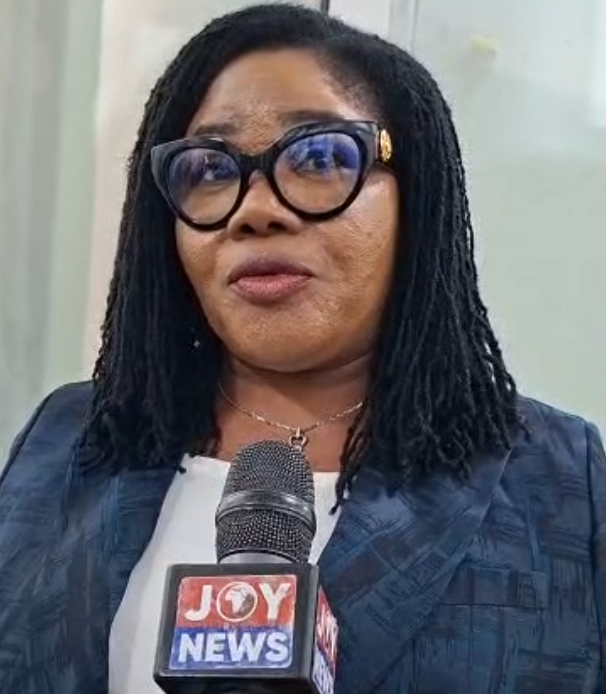
The Executive Secretary of the National Interest Movement, Susan Adu-Amankwah, has criticised successive governments for failing to provide lasting solutions to Ghana’s perennial flooding problem.
Speaking on Joy FM’s Newsfile on Saturday, July 4, 2026, she said the country’s flooding crisis has been reduced to partisan blame games instead of being treated as a serious national emergency requiring consistent leadership, planning and enforcement.
According to her, political leaders have repeatedly failed to address the root causes of flooding, even though the problem has affected Ghana for decades.
“This political football that is played about whose tenure has the worst flood, we find it upsetting,” she said.
Successive Governments Have Failed
Ms Adu-Amankwah argued that both past and present governments share responsibility for the current situation because none has been able to deliver a sustainable solution to the recurring floods.
She said Ghana has struggled with flooding since the 1960s, yet little meaningful progress has been made over the years.
“Successive governments have failed us; it is as simple as that,” she stated.
She noted that the country already has institutions, public officials, engineers, planners and local authorities mandated to address the problem. What is missing, she suggested, is the political will to allow those responsible to do their work properly.
“There is a job to be done, we have people in place to do the job, they should take the lead and do the job,” she added.
Call for Serious Leadership
The National Interest Movement Executive Secretary said flooding should no longer be treated as a seasonal conversation that attracts attention only after lives and properties have been lost.
She called for a shift from political commentary to practical action, including enforcement of planning laws, protection of waterways, proper drainage management and consistent maintenance of infrastructure.
According to her, every rainy season exposes the same weaknesses in urban planning, sanitation, construction control and leadership.
She said citizens continue to suffer because authorities fail to take difficult decisions before disaster strikes.
Mahama Urged to Take Decisive Action
Ms Adu-Amankwah also urged President John Dramani Mahama to use the current situation as an opportunity to demonstrate strong leadership.
She said the President must take bold decisions now if he wants to break the long cycle of flood disasters and restore public confidence in government’s ability to protect citizens.
“If he does the right things now, and we know the things that have to be done, leadership is about taking those hard decisions,” she said.
She further called on President Mahama to “redeem himself from the 2015 June 3 disaster now,” referencing one of Ghana’s most tragic flood-related incidents.
Flooding Must Not Be Politicised
Her comments come at a time when recent floods have once again disrupted livelihoods, displaced residents and raised questions about the country’s long-standing drainage and urban-management failures.
Ms Adu-Amankwah said it is unacceptable for political actors to focus on comparing which government experienced the worst floods while citizens continue to lose homes, businesses and lives.
She maintained that the priority should be solutions, not political point-scoring.
For her, the debate should move beyond who is to blame and focus on what must be done immediately to prevent future disasters.
A National Problem Requiring National Action
The flooding crisis, she argued, requires coordinated action from central government, local assemblies, engineers, sanitation authorities, security agencies, traditional leaders and citizens.
She said Ghana cannot continue to respond to flooding only through emergency relief after disasters occur.
Instead, she called for long-term planning, strict enforcement and sustained investment in drainage, sanitation and urban development.
Ms Adu-Amankwah’s remarks add to growing public pressure on government and local authorities to move beyond promises and implement practical measures that can protect lives and property during the rainy season.
She stressed that the country already knows the causes of the problem and must now show the courage to fix them.
Source: Kwabena Danso-Dapaah
Comments
No comments yet.