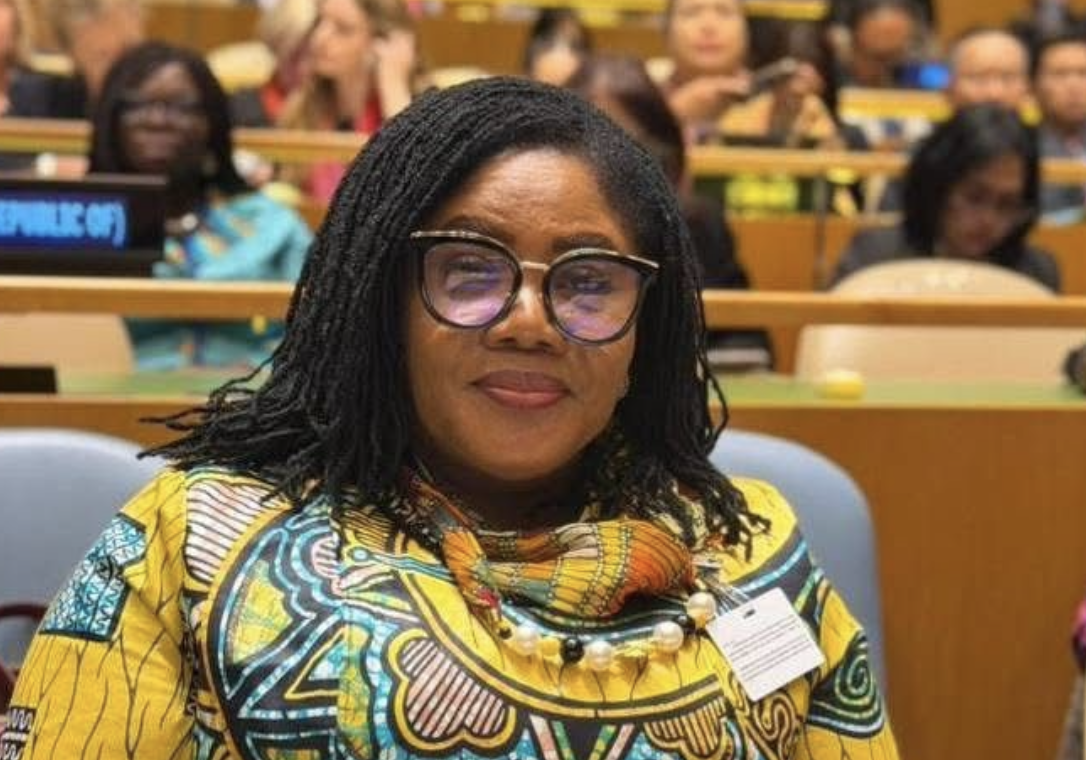
A member of the NDC’s legal team, Victor Kwadjoga Adawudu, says prosecutions under the Criminal Code provisions often used in speech-related cases rarely result in meaningful outco
The report indicates that a member of the NDC’s legal team, Victor Kwadjoga Adawudu, says prosecutions under the Criminal Code provisions often used in speech-related cases rarely result in meaningful outcomes, arguing that many simply “fizzle out” after suspects are granted bail.
It further notes that speaking on JoyNews’ PM Express on Tuesday, Mr Adawudu stated his experience in court has shown that charges under Sections 207 and 208 of the Criminal Code frequently fail to progress beyond the initial stages.
“For what I can see from my practice is that most of the charges that they use this section 207, 208 at the end of the bill, when bail is granted, it fizzles out,” he said.
His comments come amid intense public debate over the prosecution of social media users following the conviction of TikToker Camilla Alhassan.
An Accra Circuit Court sentenced the 43-year-old to one year’s imprisonment with hard labour after she pleaded guilty to offensive conduct conducive to breaches of the peace.
Prosecutors stated the Ghana Police Service intercepted a TikTok video in which she made offensive and derogatory statements about President John Mahama.
The case has sparked criticism from the New Patriotic Party, which described the sentence as an attack on free speech and pledged to support Alhassan’s appeal.
The party also called on civil society organisations, the Ghana Bar Association, the National Peace Council, the media and the diplomatic community to oppose what it called the criminalisation of free speech.
Asked whether it was time to repeal the relevant provisions of the Criminal Code, Mr Adawudu stated such a decision should reflect the will of Ghanaians.
“Yes, if that is the sentiment of the populace, that they want this to be repealed.”
However, he maintained that the law still serves a purpose.
“I think that whilst this law should be there to serve as a deterrent to others, people who say unprintable things, it is for the people to know that when I do anything which is misguided, unguided, or say unprintable words. There is a law that can catch up.”
Rejecting the argument that the law criminalises free speech, Mr Adawudu stated the rise of social media has fuelled abusive political commentary.
“I think most of the things you see on social media this time are unprintable,” he said.