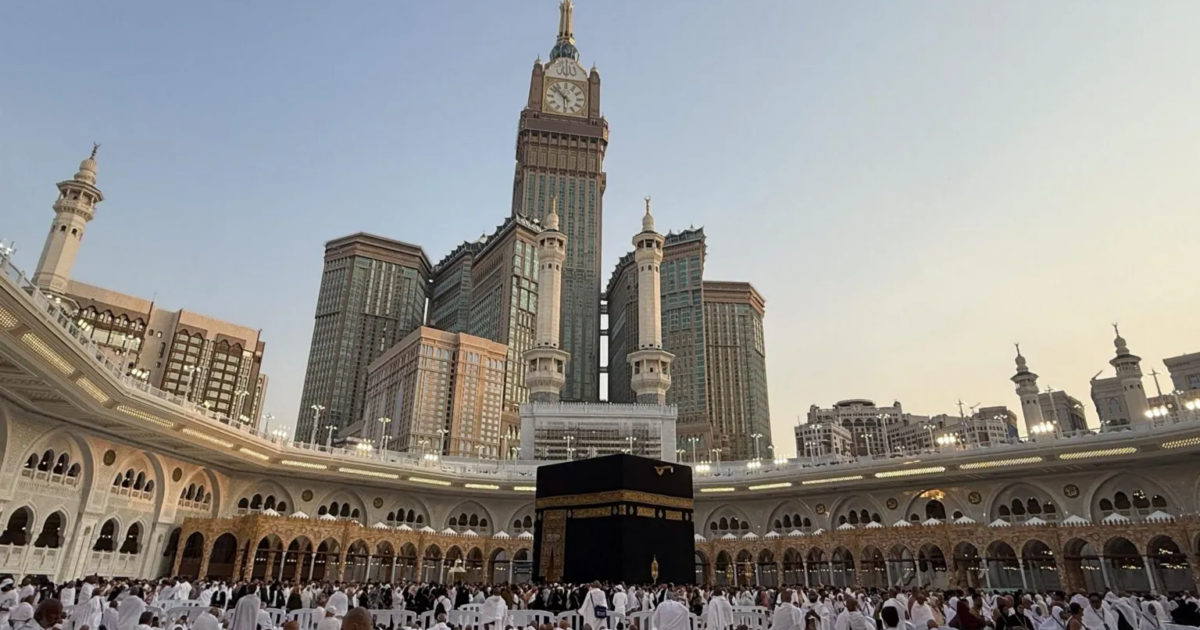
Yet for all the noise, symbolism and spectacle that surrounded the 2026 FIFA World Cup final, football ultimately delivered the moment that mattered most.
The report indicates that ninety minutes before one nation touched football immortality, 80,663 voices had already decided this would not be an ordinary final. Blue and white flags collided with a sea of red and yellow, while every warm-up touch drew a roar worthy of a winning goal.
It further notes that yet for all the noise, symbolism and spectacle that surrounded the 2026 FIFA World Cup final, football ultimately delivered the moment that mattered most.
Sixteen years after Andrés Iniesta’s strike crowned Spain world champions in Johannesburg, Ferran Torres etched his own name into Spanish football folklore, smashing home the winning goal 37 seconds into the second period of extra time to seal a 1-0 victory over Argentina and return the World Cup to Madrid via New Jersey.
It was a triumph built on patience, control and relentless belief, ending Lionel Messi’s dream of retaining the trophy and perhaps signalling the passing of football’s greatest torch to Spain’s teenage sensation, Lamine Yamal.
Long before kick-off, this final had already become wrapped in mythology.
Spain coach Luis de la Fuente had spoken of destiny, recalling the now-famous photograph of Lionel Messi bathing an infant Lamine Yamal nearly two decades ago. The photographer who captured the image had admitted he never believed in fate until that day. On this night, the two figures met with football’s greatest prize between them.
There was another emotional subplot. Nine years earlier, De la Fuente had taught Lionel Scaloni during UEFA’s coaching programme at the Spanish Football Federation headquarters in Madrid. Teacher and student had become rivals, each standing one victory away from football immortality.
Robbie Williams and Nicole Scherzinger entertained before kick-off. Tom Cruise strode onto the pitch declaring football “turns strangers into friends”. Three military aircraft thundered overhead before Donald Trump arrived alongside FIFA president Gianni Infantino, Spain’s King Felipe VI, Canadian Prime Minister Mark Carney and Mexico’s President Claudia Sheinbaum.
The delayed start mattered little to the 80,663 spectators, most of whom had transformed MetLife Stadium into what felt like an extension of Buenos Aires. Argentina’s supporters sang at deafening volume long before the first whistle, bouncing in unison until the stadium itself seemed to tremble.
Once the football finally began, however, Spain seized complete control.
Argentina monopolised possession during the opening exchanges, but Spain quickly established their rhythm, pressing aggressively and circulating the ball with remarkable composure. Lamine Yamal almost opened the scoring inside five minutes after combining neatly with Dani Olmo, only for Emiliano Martínez to produce the first of what would become a masterclass in goalkeeping.
Moments later, Unai Simón raced almost halfway across the pitch to deny Julián Álvarez after a clever through ball, the only fleeting indication that Argentina might threaten.
Rodri and Fabián Ruiz controlled midfield while Yamal, Olmo and Alex Baena repeatedly stretched Argentina’s defensive lines. Emiliano Martínez was forced into action time after time, brilliantly adjusting his feet to deny Yamal after a wicked deflection before comfortably gathering efforts from Mikel Oyarzabal and Marc Cucurella.
His influence was restricted to isolated flashes—a delicate touch beyond Rodri that earned a free-kick and a handful of intelligent passes—but Spain’s organisation denied him the spaces that had defined his tournament.