Most young Ghanaians still aspire to get married and have children, but financial insecurity and unstable employment are preventing many from realising those goals, according to fi
The report indicates that most young Ghanaians still aspire to get married and have children, but financial insecurity and unstable employment are preventing many from realising those goals, according to findings highlighted to mark World Population Day 2026.
It further notes that observed annually on July 11, this year’s World Population Day is themed “Realising the hopes and aspirations of young people, today and for the future.” The theme is informed by the United Nations Population Fund’s (UNFPA) latest report, Lives, Choices and Futures, which draws on its Demographic Futures Survey of more than 108,000 young adults across 73 countries.
The report found that more than two-thirds of young adults aged between 18 and 39 want to get married, while only about one in 10 stated they do not want children.
It also indicated that 88% of respondents consider financial security a prerequisite for becoming parents, while 87% believe stable employment is equally important before starting a family.
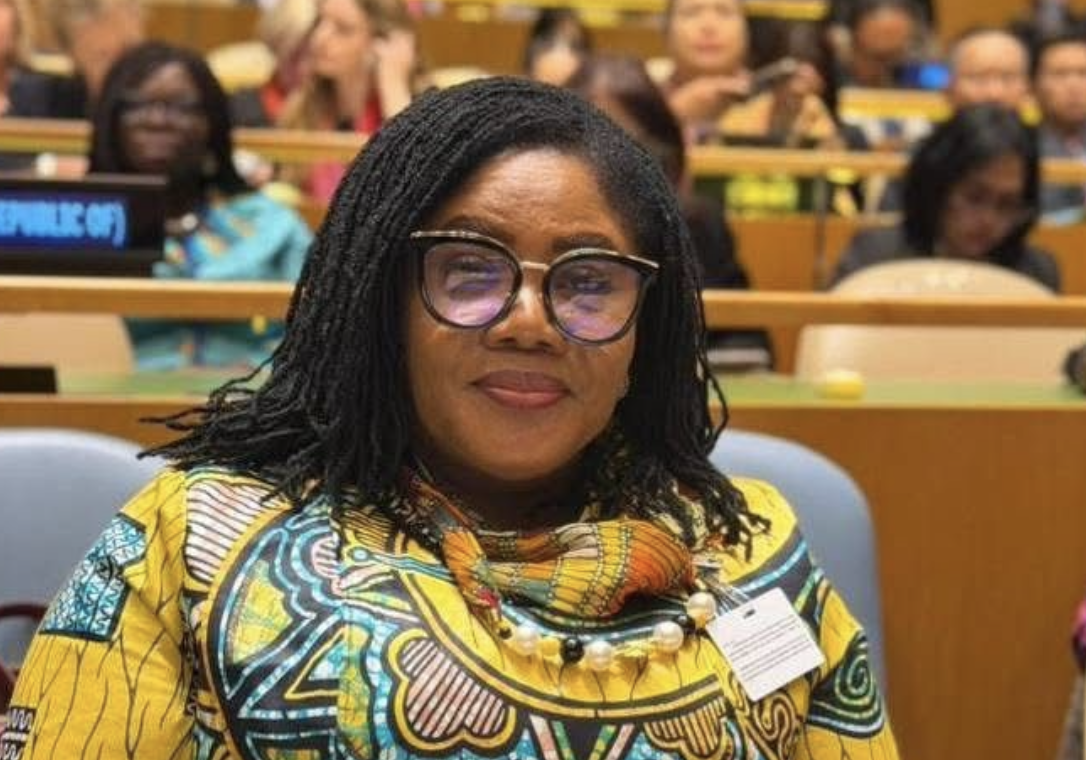
“The findings are striking: most young people aspire to partnership and parenthood,” UNFPA Executive Director Diene Keita stated at the report’s launch in New York.
She added that when financial barriers are removed, young people are better able to make “the choices that are right for them.”
Although the survey’s authors cautioned that the findings are not nationally representative because they primarily reflect the views of internet-connected young adults, they stated the results challenge the perception that younger generations are increasingly rejecting marriage and family life.
The report found that 80% of respondents cited the joy children bring as a key reason for wanting children, while government incentives ranked among the least influential factors.
It also noted that respondents from West and Central Africa, including Ghana, generally preferred larger family sizes than participants from most other regions.
The findings are particularly relevant for Ghana, where more than half of the country’s estimated 33 million people are under the age of 25.
UNFPA and population experts have long argued that Ghana’s youthful population presents an opportunity for a demographic dividend—accelerated economic growth driven by a large working-age population—provided young people have access to quality education, healthcare and decent jobs.
However, the organisation warned that without sustained investment in these areas, economic pressures could continue to delay young people’s aspirations to marry and raise families.
Ghana’s reproductive health indicators also point to ongoing challenges.
According to the 2022 Ghana Demographic and Health Survey, 27.8% of married women use modern contraceptive methods, while 23.4% have an unmet need for family planning.