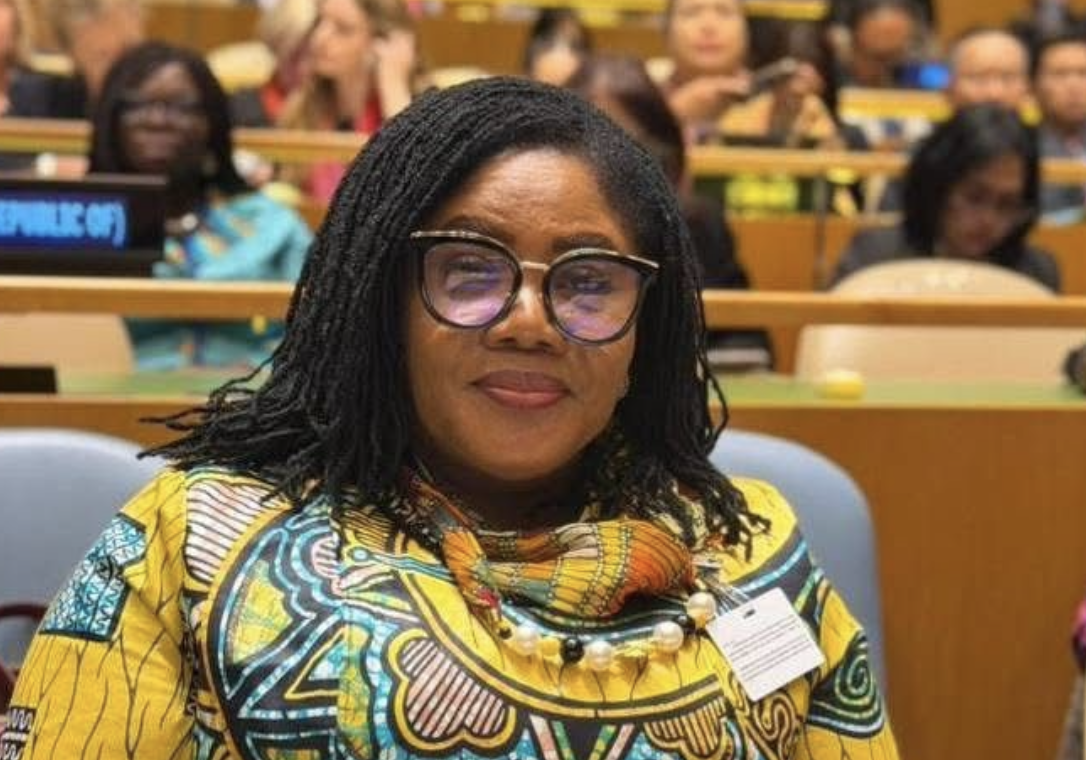
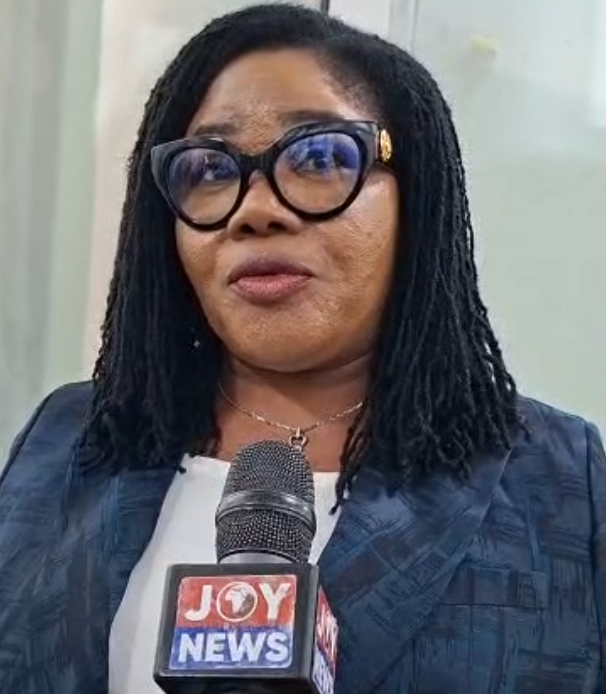
The Second Vice-President of the Pan-African Parliament, Dr Zanetor Agyeman-Rawlings, has called on African governments to complement reforms in political financing with deliberate
The report indicates that the Second Vice-President of the Pan-African Parliament, Dr Zanetor Agyeman-Rawlings, has called on African governments to complement reforms in political financing with deliberate investments in the economic empowerment of citizens, arguing that poverty remains one of the biggest drivers of money politics across the continent.
It further notes that the MP for Klottey-Korley stated strengthening legal and institutional frameworks alone would not be enough to safeguard democratic governance unless citizens were economically empowered to make independent political choices.
“So as we tackle the legal frameworks and governance, let us concurrently build the capacity of our citizens. Let’s empower them economically so that our people will act from their hearts and minds rather than their stomachs,” she said.
Dr Agyeman-Rawlings made the call at the opening of the High-Level Regional Convening on the Financialization of Politics in Africa held at the Kempinski Hotel Gold Coast City in Accra on Tuesday, July 14.
The three-day conference, on the theme “Advancing Reform, Transparency, Accountability and Democratic Integrity,” brought together parliamentarians, anti-corruption agencies, electoral management bodies, policymakers, civil society organisations and governance experts to examine the growing influence of money in politics and chart reforms to strengthen democratic institutions across Africa.
The meeting was organised by the African Union Advisory Board Against Corruption (AUABC), the Ghana Centre for Democratic Development (CDD-Ghana), the Open Society Foundations and Transparency International.
The regional convening forms part of continental efforts to strengthen transparency and accountability in political financing amid growing concerns over the influence of money on elections and governance.
Discussions are expected to inform the African Union’s proposed Model Law on Political Financing, which seeks to assist member states in developing legal frameworks to curb illicit political funding, strengthen oversight institutions and enhance democratic integrity across the continent.
Dr Agyeman-Rawlings observed that the financial burden of seeking political office had risen sharply across Africa, creating barriers that increasingly excluded capable but less affluent citizens from participating in governance.
She stated the cost of politics now extended far beyond campaign activities to include party primaries, nomination fees, transportation of delegates and widespread financial expectations placed on aspiring political leaders.
“Across our continent, the cost of entering and remaining in politics is increasing.
“Whether it’s from the internal party primaries and nomination fees to campaigning in the general elections. Whether it’s about transportation of delegates to venues. Whether it’s about encouraging voters to participate.
“Whether it’s about paying for school fees, medical bills, name it. It’s all there.”
According to her, such trends continue to distort democratic competition and deepen inequalities in political participation.