Analysing the Mid-Year Budget, Tax Partner at KPMG, Justina Amartei-Kwei, advised that the implementation should be phased, supported by clear technical standards and reasonable tr
The report indicates that auditing and Advisory firm, KPMG Ghana, is urging the government to approach the implementation of the new tax reforms announced in the Mid-Year Budget through a phased-out strategy.
It further notes that the Finance Minister, Dr. Ato Forson, during the budget presentation announced reforms in Ghana’s tax system, including the removal of 20% excise duty on locally produced beverages.
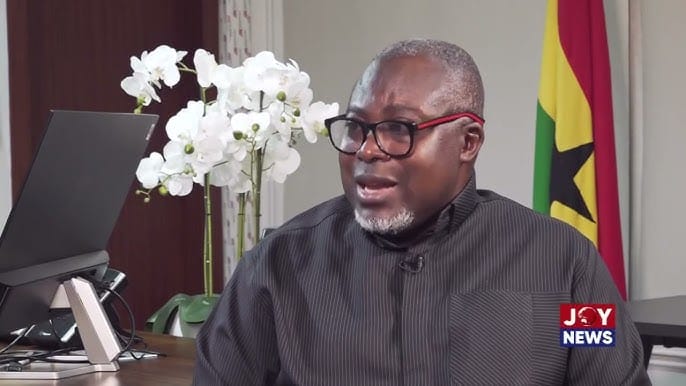
Analysing the Mid-Year Budget, Tax Partner at KPMG, Justina Amartei-Kwei, advised that the implementation should be phased, supported by clear technical standards and reasonable transition arrangements.
The Minister of Finance announced during the mid-year budget review that the government is embarking on a massive reform in the tax administration structure to include electronic devices to track and trace complaints.
According to KPMG, these measures are necessary and will provide a level playing field for businesses.
“The Government intends to roll out Fiscal Electronic Devices together with a VAT Reward Scheme after the pilot phase. It is also seeking regulatory approval for full deployment of a technology solution to collect VAT from non-resident digital platforms”, Mrs. Amartey-Kwei said.
“For formal businesses, this may create a more level playing field by bringing previously under-captured transactions into the net. For affected taxpayers, it means systems readiness will be critical: point-of-sale integration, invoice sequencing, product coding, reconciliations, data retention and incident management”, she noted.
“Implementation should be phased, supported by clear technical standards, taxpayer education, help desks and reasonable transition arrangements. Technology improves compliance only when the rules, infrastructure and dispute processes work together”, she added.
On the revenue front, KPMG supported the decision by the government to rationalise some expenditures in the public sector and consolidate gains in its macro-economic performance.
The Head of Markets and Partner at KPMG, Kwame Sarpong Banieh, believes that the performance in the first half of the year is positive so far.
“Fiscal performance remained strong, with the primary balance recording a surplus of 0.9% of GDP and the overall fiscal deficit on a commitment basis limited to 0.4% of GDP, outperforming programme targets. Gross reserves were equivalent to about 5 months of import cover, above the minimum target of 3 months. A robust trade position, reserve accumulation, gold-related foreign exchange inflows and improved confidence have supported the external account. These buffers are important because they reduce vulnerability to commodity shocks and global financial volatility”, Kwame asserted.
The first half of 2026 reflects the continued strengthening of Ghana’s economic recovery, supported by fiscal discipline, prudent monetary management, and the implementation of key structural reforms.