Africa’s next phase of economic transformation will depend less on the availability of capital and more on how effectively that capital is deployed, according to Marsha Wulff, co-f
The report indicates that africa’s next phase of economic transformation will depend less on the availability of capital and more on how effectively that capital is deployed, according to Marsha Wulff, co-founder of Lofty Inc. Capital Management.
It further notes that delivering the keynote address at the 2026 Ghana Venture Capital and Private Equity Association (GVCA) Annual Industry Conference in Accra, she stated investors must move beyond traditional risk frameworks and embrace a more entrepreneurial approach to financing innovation.
“The job of an investor is to anticipate the future. If you live long enough, you begin to understand cycles,” she said.
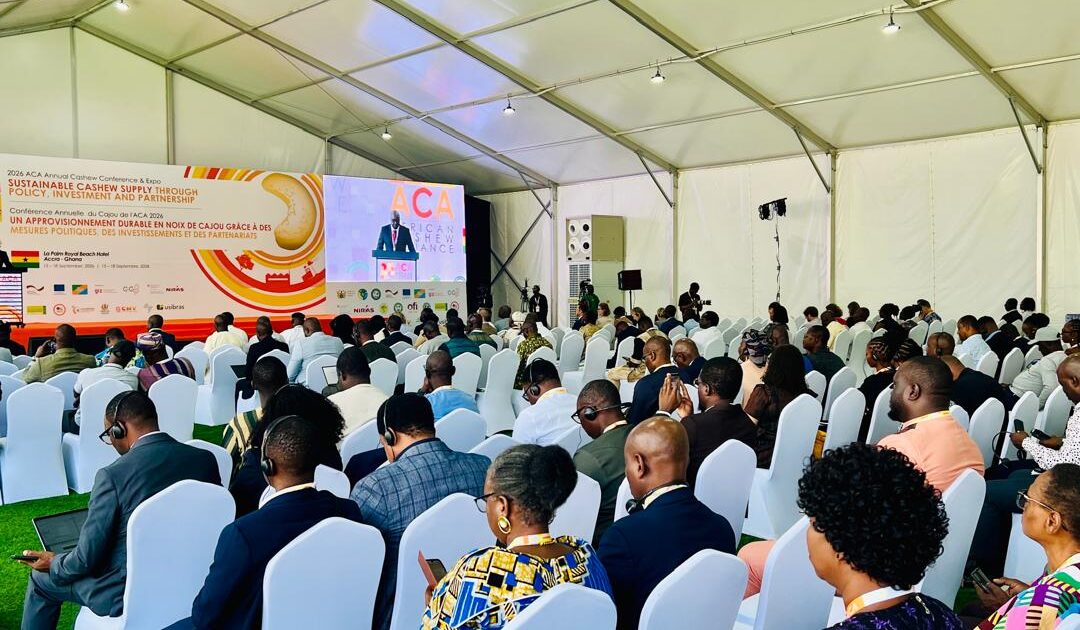
The conference convened more than 450 participants, including investors, policymakers, entrepreneurs and development partners, under the theme “Fueling Ghana’s Future Through Domestic Alternative Investments and Unlocking Trapped Capital.”
Wulff argued that Africa’s challenge is not a shortage of capital but the persistence of investment structures that are not suited to early-stage innovation.
She noted that while institutional finance has played an important role in development, it often excludes startups that do not yet meet traditional profitability thresholds.
“That is where the gap lies between investors who think like entrepreneurs and those constrained by institutional frameworks,” she said.
According to her, this disconnect continues to slow the growth of high-potential businesses across the continent.
Wulff drew on global examples, particularly Asia’s diaspora-led economic expansion, to illustrate how patient capital and cross-border networks can transform emerging markets.
“In the 1980s, I watched Asia’s diaspora go to the United States to learn, to earn and to return, and in doing so, they helped manage commerce that lifted over one billion people out of extreme poverty,” she said.
She stated similar investment behaviour could significantly accelerate Africa’s industrialisation and innovation capacity if effectively mobilised.
The Lofty Inc. co-founder highlighted the emergence of African-led startup ecosystems, particularly those driven by diaspora professionals and local founders building technology hubs and angel investment networks.
These networks, she noted, have increasingly stepped in to fund and support early-stage companies where traditional capital has been limited.
She added that this shift has helped demonstrate the viability of seed-stage investing in African markets.