The Ghana Union of Traders’ Associations (GUTA) has challenged the latest utility tariff increase, arguing that improving macroeconomic conditions should have resulted in lower cha
The report indicates that the Ghana Union of Traders’ Associations (GUTA) has challenged the latest utility tariff increase, arguing that improving macroeconomic conditions should have resulted in lower charges rather than higher ones.
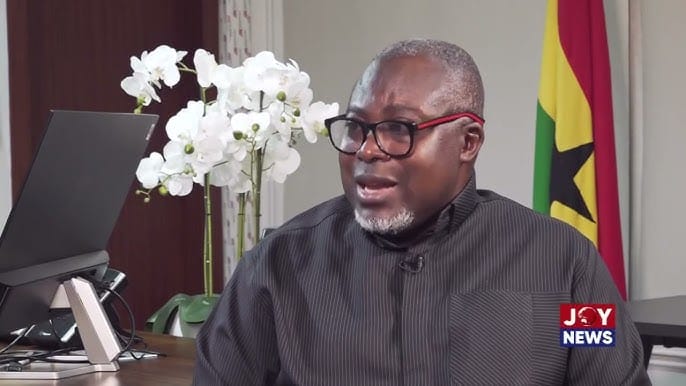
It further notes that speaking on Joy News’ PM Express on Tuesday, GUTA Vice President Joseph Paddy stated traders were taken by surprise by the announcement and criticised the lack of consultation before the decision was made.
“We slept one night, woke up in the morning, and we heard announcements that they’re going to be a tariff adjustment increase, and we’re like, why so when we were not engaged,” he said.
Mr Paddy insisted that major decisions affecting businesses should be preceded by broad stakeholder engagement.
“For good governance, you need stakeholder engagement and participation. So if you’re going to increase tariff, you need to engage,” he stressed.
He questioned the justification for the increase, saying the reasons cited by regulators appeared to point in the opposite direction.
“In the letter, all the proposals they put in place- fluctuation of the cedi, about four issues they cited- we see they are all in a positive direction. If they are in a positive direction, then why do you want to increase utility tariffs?” he asked.
According to him, Ghana’s currency has remained relatively stable against the US dollar for well over a year, providing businesses with greater certainty and easing cost pressures.
“Now we have stability of the cedi against the dollar for some time now, for over 15 to 16 months, which we think today, when I was taking dollars to cedi, is about ¢11.25 or so, which is in a positive direction.”
He contrasted the current exchange rate with previous levels, arguing that the cedi’s appreciation should have translated into lower operating costs.
“Once upon a time, it was around ¢17 to $1,” he noted.
Mr Paddy also pointed to declining interest rates as another positive economic indicator that should have supported a downward review of utility charges.
“And then the interest rate has dropped. Today, interest is moving around 12%. Exchange rate has also dropped.”
He argued that when the improving exchange rate and easing interest rates are considered together, the case for increasing tariffs becomes difficult to understand.