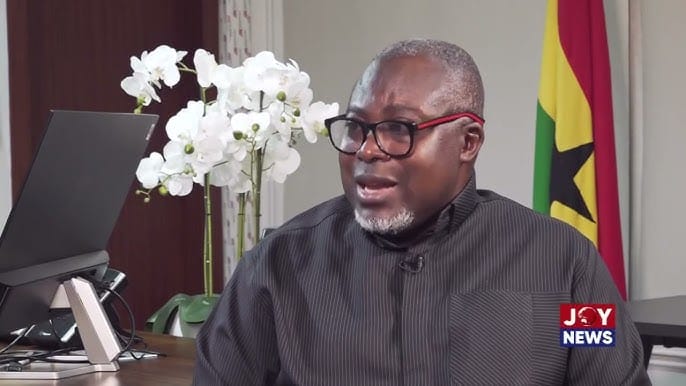
Minister for Energy and Green Transition, Dr. John Abdulai Jinapor, has outlined an ambitious roadmap to strengthen Ghana’s downstream petroleum sector, arguing that resilient poli
The report indicates that minister for Energy and Green Transition, Dr. John Abdulai Jinapor, has outlined an ambitious roadmap to strengthen Ghana’s downstream petroleum sector, arguing that resilient policies, expanded local refining capacity, innovation and sustained investment are critical to securing the country’s energy future and driving economic transformation.
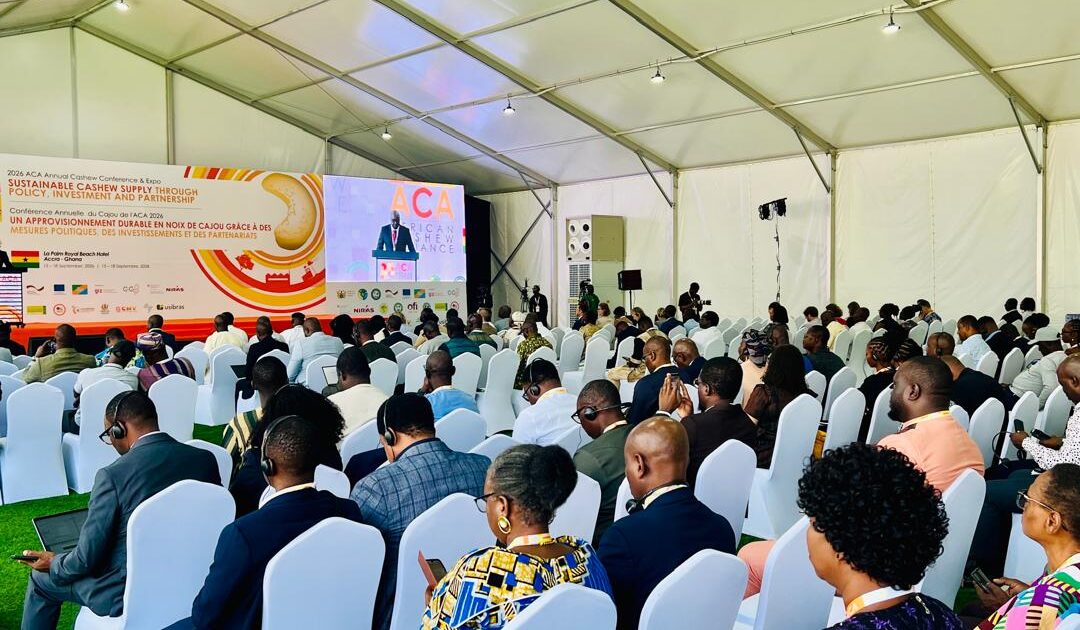
It further notes that delivering the keynote address at the 7th Ghana International Petroleum Conference (GhIPCon 2026) in Accra, Dr. Jinapor stated recent global energy disruptions have demonstrated that countries must prepare for uncertainty long before crises emerge.
Speaking on the conference theme, “Building a Resilient Downstream: Policy, Innovation and Investment for Growth,” the Minister noted that geopolitical conflicts, supply chain disruptions, volatile international oil prices and the global energy transition have fundamentally reshaped the world’s approach to energy security.
He emphasised that resilience cannot be achieved through temporary interventions but through deliberate policy decisions, strategic investments, innovation and strong collaboration between government and industry.
According to him, Ghana’s downstream petroleum sector remains central to the country’s economic growth, powering transportation, industry, agriculture, mining and commerce while supporting the daily livelihoods of millions of Ghanaians.
“The performance of this sector affects every household and every business in our country. A reliable, efficient and resilient downstream industry is therefore essential not only for energy security but also for economic competitiveness, industrial growth and national development,” he said.
The Minister commended stakeholders across the petroleum value chain for ensuring uninterrupted fuel supply during one of the most challenging periods in recent years despite significant disruptions in global energy markets.
He acknowledged the sacrifices made by oil marketing companies, bulk distribution companies, transport operators and regulators, as well as government interventions that helped cushion consumers from soaring fuel prices.
Dr. Jinapor stated that for eight consecutive weeks, government absorbed part of the increase in fuel prices, at one point subsidising diesel by as much as GH¢2.00 per litre, equivalent to GH¢9.50 per gallon.
While describing the intervention as necessary, he cautioned that long term energy security cannot depend on temporary price support measures.
Instead, he called for sustained investments in domestic refining, strategic petroleum reserves, modern storage facilities, efficient transportation networks and diversified supply chains to improve Ghana’s ability to withstand future external shocks.
On the policy front, the Minister reaffirmed government’s commitment to providing a predictable regulatory environment that encourages investment, promotes fair competition, protects consumers and enhances transparency across the downstream sector.
He stated the Ministry of Energy and Green Transition, together with the National Petroleum Authority, continues to implement reforms aimed at improving efficiency and ensuring the sector remains responsive to changing market conditions.
Dr. Jinapor also highlighted encouraging developments in Ghana’s upstream petroleum sector after years of declining crude oil production.