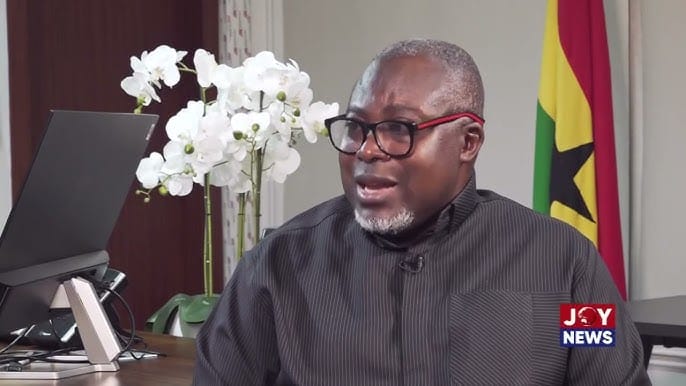
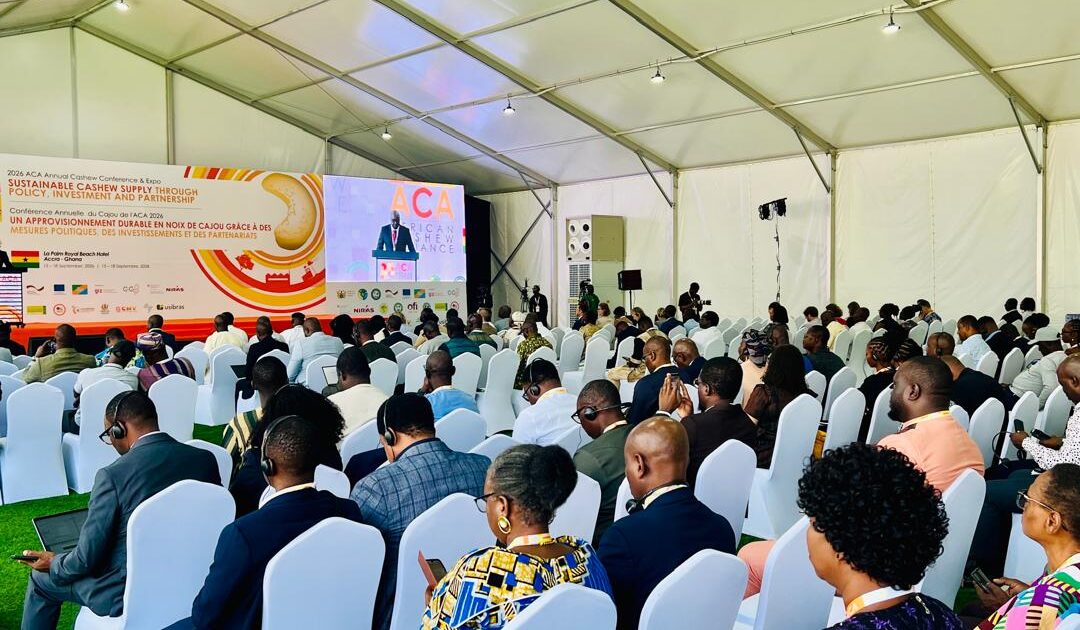
The Deputy Minister for Finance, Thomas Nyarko Ampem announced the strategy on Wednesday, September 2, 2026, when he delivered the keynote address on behalf of Finance Minister, Dr
The report indicates that the government has outlined a five-pillar economic strategy aimed at protecting Ghana’s recent economic gains and building a stronger, more productive and resilient economy capable of withstanding future shocks.
It further notes that the Deputy Minister for Finance, Thomas Nyarko Ampem announced the strategy on Wednesday, September 2, 2026, when he delivered the keynote address on behalf of Finance Minister, Dr Cassiel Ato Forson at the Business Roundtable Extended 2026 Executive Dialogue in Accra.
The dialogue was held on the theme: “After the Corrections: Building Resilient Economic Pillars for the Next Decade.”
The five pillars identified by the Deputy Minister are stronger economic buffers, a productive economy, a private sector that can invest, institutions stronger than the political cycle, and growth that Ghanaians can feel.
Mr. Ampem stated the strategy was necessary because while Ghana had made significant progress in restoring macroeconomic stability, the country must now ensure that those gains were sustained.
He cited real GDP growth of 6.0 per cent in 2025 and 6.4 per cent year-on-year in the first quarter of 2026, while inflation had declined from 23.8 per cent in December 2024 to 4.6 per cent in July 2026.
He also stated gross international reserves had reached about US$12.9 billion at the end of June, providing five months of import cover, while Ghana’s risk of external and overall debt distress had moved from high to moderate.
However, Mr. Ampem cautioned that macroeconomic stability must not become an end in itself.
“We must not become prisoners of our own good numbers,” he said, stressing that stability must reach factories, farms, markets, small businesses and households through value addition, productivity and job creation.
Under the first pillar, government intends to strengthen economic buffers through higher reserves, sustainable debt, fiscal buffers, energy security and food security.
Mr. Ampem stated the next economic shock was certain to come, although its timing and nature remained unknown.
“The next shock will certainly come. We simply do not know when and its name yet,” he said.
He stated Ghana was targeting 15 months of import cover by the end of 2028 under the Ghana Accelerated National Reserves Accumulation Programme, while debt-to-GDP had declined from 61.8 per cent in 2024 to 45 per cent as of June 2026.
The second pillar focuses on transforming the productive structure of the economy.