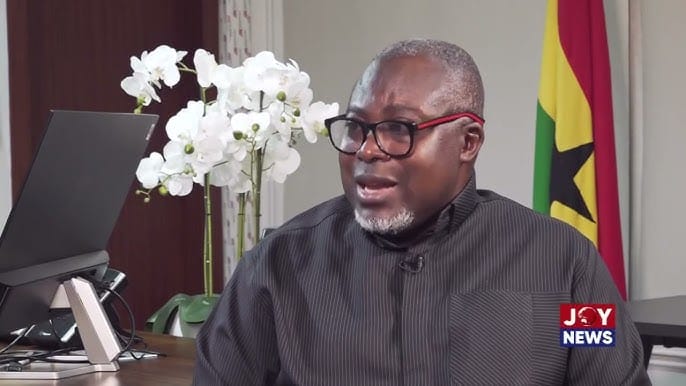
The Institute of Economic Research and Public Policy (IERPP) is questioning whether Ghana’s recent economic gains have translated into genuine fiscal space, warning that headline i
The report indicates that the Institute of Economic Research and Public Policy (IERPP) is questioning whether Ghana’s recent economic gains have translated into genuine fiscal space, warning that headline improvements may not reflect the country’s underlying financial position.
It further notes that in an analysis authored by its Executive Director, Prof. Isaac Boadi, the institute stated Ghana’s improved debt-to-GDP ratio, lower inflation and currency stability have created a positive outlook, but cautioned that significant constraints remain.
According to Prof. Boadi, fiscal space goes beyond the availability of government funds and depends on whether the state can meet existing obligations while still having room to invest, borrow and respond to economic shocks.
He stated data from the Bank of Ghana’s Summary of Economic and Financial Data released on July 21, 2026, presents a mixed picture of Ghana’s fiscal position.
The analysis noted that Ghana’s public debt-to-GDP ratio declined from 51.1% in April 2025 to 41.5% by January 2026, while inflation fell from 13.7% in June 2025 to 3.2% in March 2026.
The Monetary Policy Rate was also reduced from 28% to 14%, while the cedi recorded significant appreciation during parts of 2025.
Prof. Boadi, however, argued that some of these improvements may not necessarily represent stronger fiscal fundamentals.
He explained that the reduction in the debt ratio was partly driven by the rebasing of Ghana’s Gross Domestic Product (GDP), which increased the size of the economy on paper without a corresponding increase in actual output.
“The debt ratio fell mainly because the denominator moved, not the numerator,” he argued, adding that domestic debt in cedi terms continued to rise during the period under review.
The IERPP Executive Director also raised concerns about government spending patterns, noting that capital expenditure remains low compared to recurrent expenditure and debt obligations.
He stated this limits government’s ability to undertake major infrastructure projects and other investments that could support long-term growth.
“Nearly everything the state collects is absorbed by recurrent spending and debt service, which is the textbook definition of no fiscal space,” Prof. Boadi stated.
The institute further expressed concern about government’s increasing reliance on domestic financing, including borrowing from the banking sector.
According to the analysis, net claims on government increased significantly between June 2025 and April 2026 before easing slightly, a situation it stated could affect private sector access to credit.