The Narcotics Control Commission (NACOC) has warned neighbouring countries and individuals involved in drug trafficking that Ghana’s borders will not be used as a transit route for
The report indicates that the Narcotics Control Commission (NACOC) has warned neighbouring countries and individuals involved in drug trafficking that Ghana’s borders will not be used as a transit route for illicit drugs.
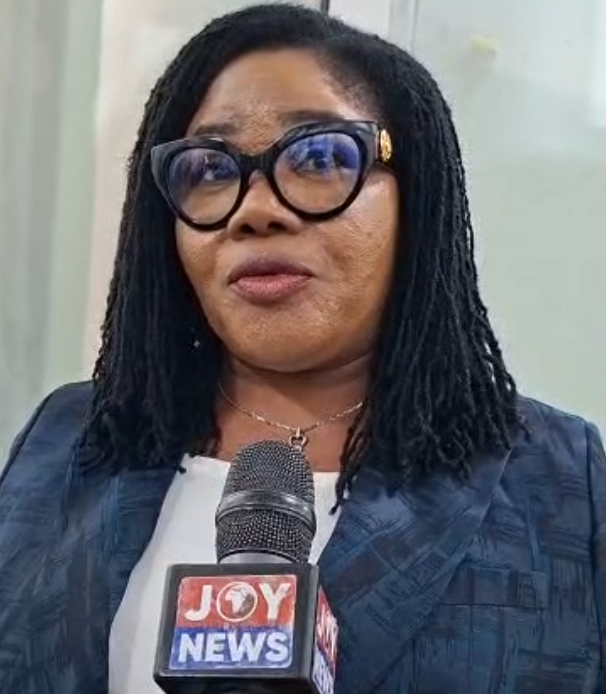
It further notes that the Deputy Director of NACOC, Alexander Barimah Twum, stated Ghana’s borders were open for legitimate trade and economic activities, but not for illegal drug transportation.
Speaking on Joy FM’s Super Morning Show on Monday, July 27, following a new JoyNews documentary on illicit drug use among Ghanaians, Mr Barimah Twum stated authorities had often encountered situations where arrested drug traffickers claimed the substances were being transported to neighbouring countries and were not intended for the Ghanaian market.
“Interestingly, anytime we make such an arrest of drug sailors, all that you will hear is that it is going to Niger or it is going to Burkina Faso. Our borders are not the gateway for illicit drug transit,” he said.
“Ghana borders land borders; sea borders are not the gateway for illicit drug transit. So we won’t, and we never allow goods going to Niger to be illicit goods. The fact that they don’t have sea borders and they are using our borders to transit their goods doesn’t mean that it should be open to them to also transit illicit goods,” he added.
As part of efforts to tighten the borders, he mentioned that “Just about a month or two ago, we signed an MoU with the government of Burkina Faso. The MoU has it that we are supposed to prevent anything illicit, such as drug trafficking, across our borders. They are to ensure that nothing will enter from their end, and we are also to ensure that nothing will enter from our end into their place.”
Mr Barimah Twum also urged the public to support the fight against drug trafficking by providing relevant information to security agencies to help identify and apprehend persons involved in the illegal trade.