For more than four decades, Malaysia has built one of the world's most successful non-interest finance ecosystems, transforming Islamic finance from a niche offering into a major p
The report indicates that for more than four decades, Malaysia has built one of the world’s most successful non-interest finance ecosystems, transforming Islamic finance from a niche offering into a major pillar of its national economy. Today, Ghanaian financial regulators are looking to that success story as they prepare to deepen the implementation of non-interest banking, insurance and capital market products at home.
It further notes that a delegation of regulators and financial sector professionals from Ghana is currently participating in an intensive training programme at the International Islamic University Malaysia (IIUM), organised by the Islamic Finance Research Institute of Ghana (IFRIG). The programme comes at a critical time as Ghana moves to operationalise new non-interest finance guidelines across the banking, capital markets and insurance sectors.
The study tour aims to expose participants to Malaysia’s globally recognised dual-banking system, robust regulatory framework, sukuk market and takaful insurance model, all of which have contributed to making the Southeast Asian nation a leading hub for ethical finance.
Addressing participants during a session at IIUM’s Department of Economics, Professor Dr. Nurdianawati Irwani Abdullah of the Kulliyyah of Economics and Management Sciences emphasised that strong regulation remains the foundation of a successful non-interest finance industry.
According to her, Malaysia’s achievements have been driven by a combination of effective Shariah governance, legal certainty, consumer confidence and well-developed capital markets.
“Proper financial regulation is definitely a key to the success of the sector, but it is not only the regulator’s job. It is a collective effort involving government, industry players and consumers,” she said.
Her remarks underscored one of the key lessons emerging from the training: that the growth of non-interest finance requires broad national commitment beyond legislation and regulation alone.
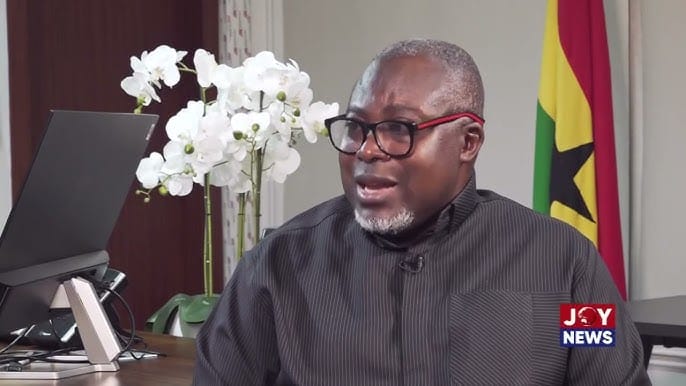
For Ghana’s Securities and Exchange Commission (SEC), the Malaysian model offers valuable lessons not only in regulation but also in financing national development. Director-General of the SEC, Dr. James Klutse Avedzi, stated the country’s experience demonstrates how non-interest financial instruments can be used to mobilise capital for infrastructure and other strategic projects.
“What we have learnt during this session will help in the development of various sectors. Malaysia has success stories, and by studying them, we can avoid certain challenges and improve our financial system, including helping the government raise capital for development projects,” he said.
Malaysia’s sukuk market, regarded as one of the largest in the world, has financed major infrastructure projects ranging from highways and airports to energy and housing developments. Ghanaian regulators view this as a potential avenue for attracting long-term investment and broadening funding options for national development.
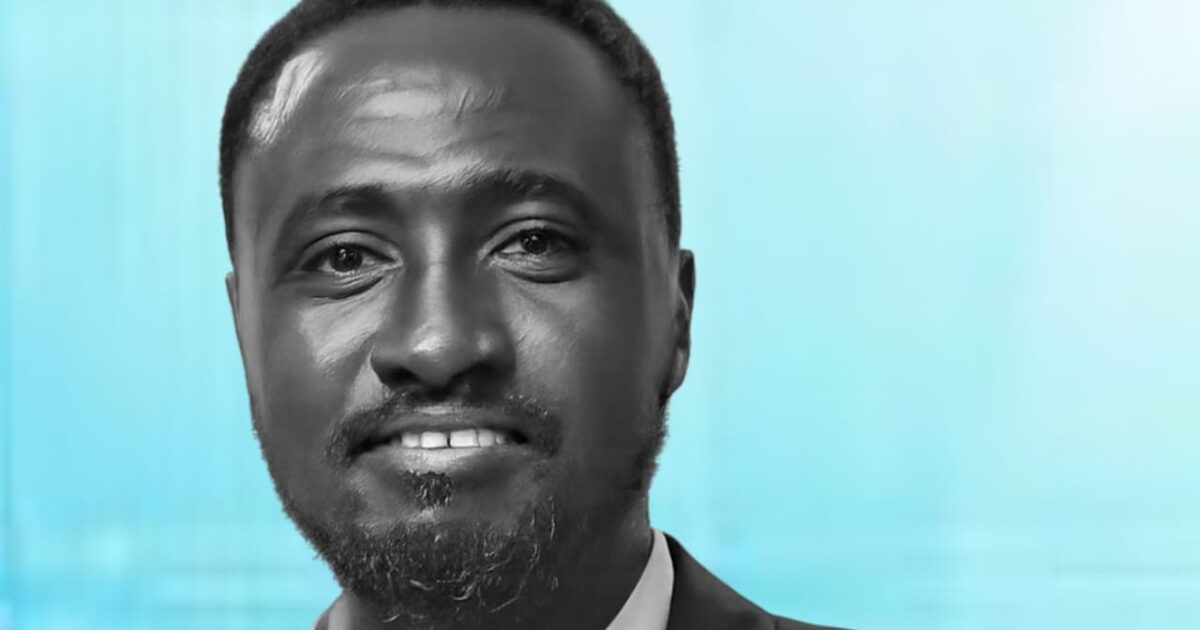
The programme has also generated significant interest among regulators responsible for the insurance sector. Mohammed Hafiz Issahaku, Head of Prudential Supervision at Ghana’s National Insurance Commission (NIC), described the experience as transformative.
“This trip has been an eye-opener. The robust regulatory framework that Malaysia has is very impressive. Going back home, this is definitely going to help us a lot in rolling out our non-interest finance system,” he said.
His comments reflect Ghana’s broader ambition to develop a comprehensive ethical finance ecosystem that includes non-interest banking, takaful insurance and Shariah-compliant capital market products.
Malaysia’s position as a global leader in Islamic finance stems from decades of continuous policy development and institutional investment. The country operates a dual-banking system in which conventional and non-interest financial institutions coexist, supported by centralised Shariah advisory structures, deep capital markets and specialised academic institutions that train industry professionals.