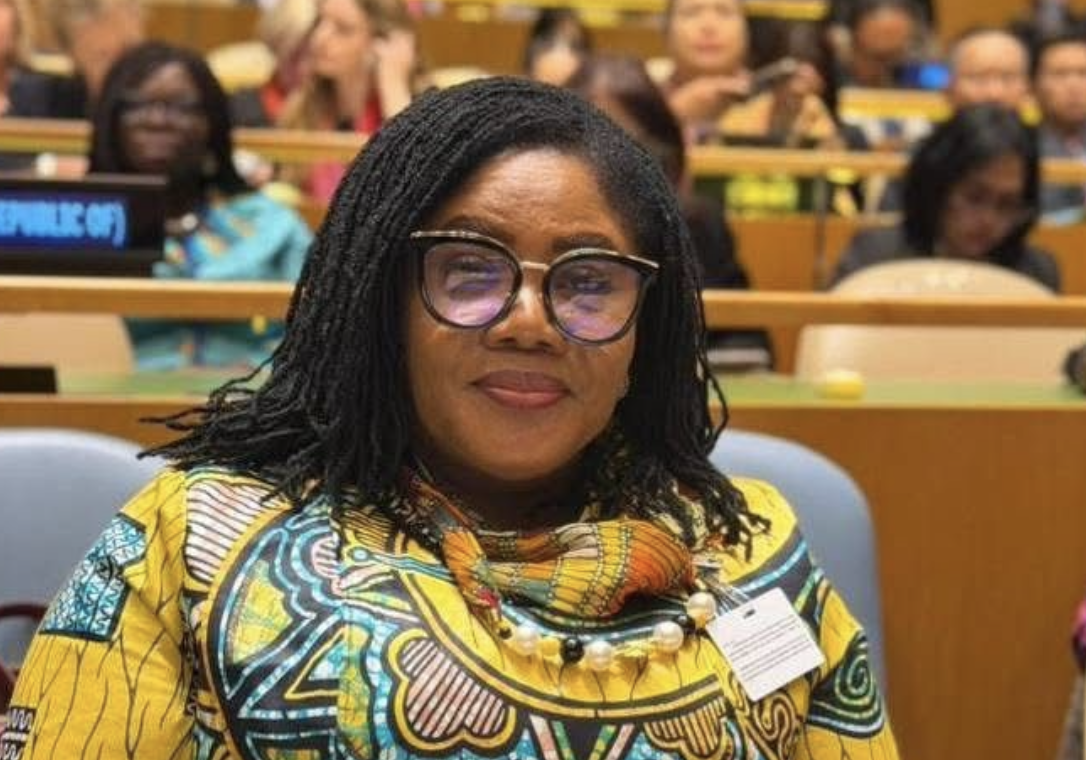
A Senior Research Fellow at the Institute for Environment and Sanitation Studies at the University of Ghana, Dr Ted Yemoh Annang, has called for a major shift in the country's appr
The report indicates that a Senior Research Fellow at the Institute for Environment and Sanitation Studies at the University of Ghana, Dr Ted Yemoh Annang, has called for a major shift in the country’s approach to waste management, warning that the continued practice of sending almost all waste to landfill sites is unsustainable.
It further notes that speaking on Joy FM’s Super Morning Show on Monday, July 13, during a discussion on waste disposal in Ghana, Dr Annang stated the country must prioritise waste diversion by separating and treating recyclable and organic waste before it reaches landfill sites.
He explained that waste diversion involves treating materials that still have value instead of disposing of them.
“So there is this issue about waste diversion. Waste diversion means that if you look at the treatment portion, treatment before disposal, the treatment is just meant to give the waste material extended life.”
According to him, landfill sites should only receive waste that cannot be reused, recycled, or treated further.
“Let’s not forget that one of the attributes of waste is that it is discarded,” he said.
“What we are not doing is that we are not diverting the waste that can be treated, especially the degradable portions, which form more than three-quarters of the waste stream.”
Dr Annang noted that in Ghana, waste is often collected and transported directly to landfill sites without any effort to separate recyclable or biodegradable materials.
“So from collection, straight to the landfill site. These landfill sites have been built to last over a certain period of time. But because we take everything there, before the lifespan, it’s full.”
He stated that the situation is made worse because many landfill sites are not designed to perform their intended purpose.
“Landfills are supposed to take end-of-life waste. Waste that nothing can be done with anymore is what is meant for disposal at landfill sites.”
Using markets as an example, Dr Annang stated the majority of waste generated in such places is organic and could be diverted for other uses.
“If we go to the market, where we always have heaps of garbage, more than 90 per cent of the garbage there is degradable. It’s organic,” he said.
He added that removing biodegradable and recyclable materials from the waste stream would significantly reduce the volume of waste requiring final disposal.