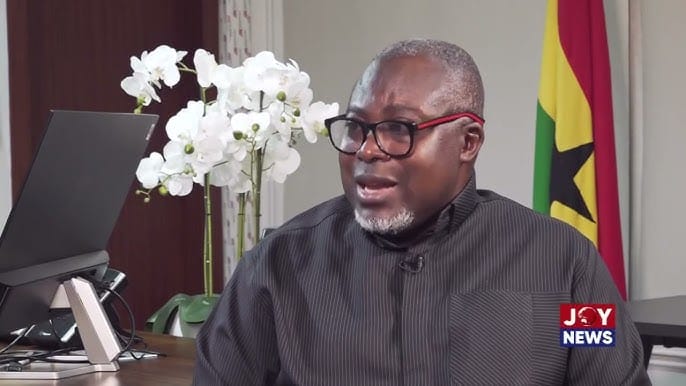
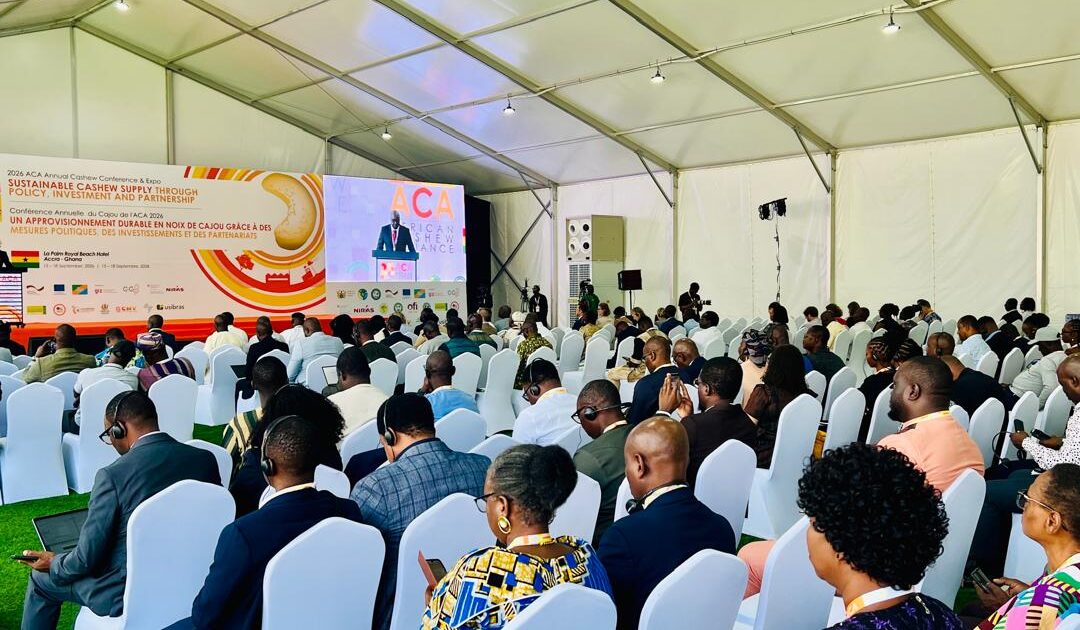
Deputy Minister for Finance, Thomas Nyarko Ampem, has called for urgent reforms to political financing across Africa, warning that the growing influence of money in politics is und
The report indicates that ghana has called for urgent reforms to political financing across Africa, warning that the growing influence of money in politics is undermining democratic integrity, excluding capable leaders, and weakening public trust in democratic institutions.
It further notes that in a speech delivered on behalf of the Vice President, Professor Jane Naana Opoku-Agyemang, at the opening of the 2026 High-Level Regional Convening on the Financialisation of Politics in Africa, held in Accra on Tuesday, July 14, Deputy Minister for Finance Thomas Nyarko Ampem stated political finance reform had become a development imperative rather than merely an electoral issue.
The organising partners were the African Union Advisory Board Against Corruption (AUABC), the Ghana Centre for Democratic Development (CDD-Ghana), Open Society Foundations and Transparency International.
Addressing government officials, anti-corruption agencies, development partners, civil society organisations and political leaders from across the continent, the deputy minister stated the rising cost of elections was increasingly preventing competent and public-spirited citizens from participating in politics.
“Money has always been part of politics. The challenge arises when money determines who can participate, who wins elections, and whose interests are served after victory,” he said.
He noted that women, young people, and many qualified citizens continued to face significant barriers to political participation because of the escalating cost of campaigns, narrowing the pool of democratic leadership across Africa.
Mr. Ampem warned that these challenges were contributing to declining public trust, growing disillusionment with democracy, reduced confidence in political parties, and increasing disengagement from formal political processes.
Highlighting Ghana’s democratic credentials, he stated the country remained committed to strengthening transparency, accountability, and public integrity through constitutional, legislative, and institutional reforms.
He announced that the Conduct of Public Officers Bill is currently before Parliament, while the Cabinet has approved the National Ethics and Anti-Corruption Action Plan (2026–2030) to strengthen prevention, institutional integrity, coordination, and enforcement in the fight against corruption.
The deputy minister acknowledged, however, that Ghana still lacks a comprehensive legal framework governing political party and campaign financing and stated further reforms were needed to improve transparency and strengthen public confidence.
He stated that recommendations by the Constitutional Review Committee on political financing, disclosure, and accountability would help shape future legislative reforms.
Mr. Ampem emphasised that stronger disclosure requirements, effective enforcement mechanisms, and spending limits were necessary but would not, on their own, resolve the problem.