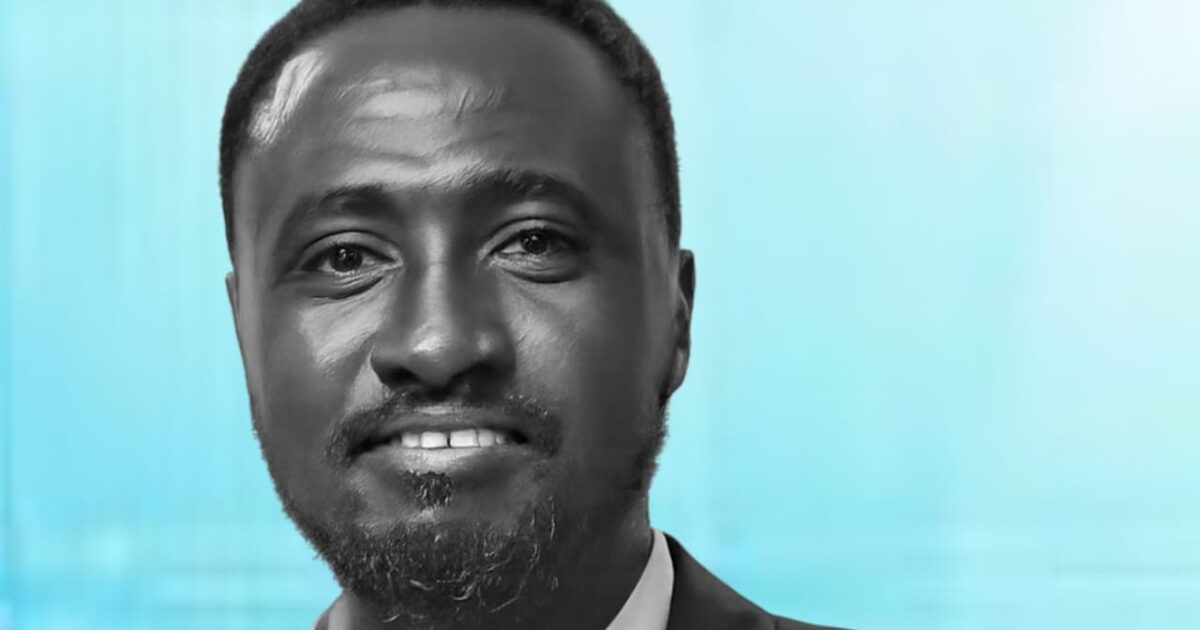
Long before becoming Group Chairman of M&C Group, Michael started with limited resources. At one point, he worked from his room while trying to turn an idea into a viable business.
The report indicates that from humble beginnings to building an enterprise with global ambitions, Michael L. Bartlett-Vanderpuye’s entrepreneurial journey has been shaped by discipline, independence, resilience and a determination to build businesses that can outlive their founders.
It further notes that long before becoming Group Chairman of M&C Group, Michael started with limited resources. At one point, he worked from his room while trying to turn an idea into a viable business.
That experience shaped a philosophy that continues to guide him: build the business first and allow the infrastructure to grow with it.
His path into entrepreneurship was influenced by experiences across several sectors. After university, he worked in areas such as banking, accounting, marketing, packaging, and logistics. He also gained exposure to mining advisory, property and other commercial opportunities.
Those experiences broadened his understanding of how different industries operate and connect.
The journey, however, was not without setbacks. Michael recalls sending proposal after proposal without knowing which one would eventually open a door.
Even after he established an office in East Legon, some people assumed he worked for someone else because they found it hard to believe the business was his.
For Michael, those years of uncertainty, rejection and persistence were crucial to his development as an entrepreneur.
His transition from working in a room to leading M&C Group reflects a principle he strongly believes in: substance must come before image.
He views entrepreneurship as more than owning a company. It involves turning knowledge, relationships, opportunities and resources into sustainable value.
He believes professionals can adopt an entrepreneurial mindset by building assets, developing networks, investing in opportunities and creating additional sources of value alongside their careers.
That thinking has influenced his approach to expansion. Rather than seeing businesses only as competitors, he believes strategic partnerships can connect industries, people and services to create greater value.
International exposure and research have also shaped his business philosophy. Michael believes entrepreneurs must understand the markets they enter rather than simply copy businesses that appear successful elsewhere.
For him, successful enterprises are built on structures, regulations, relationships, research and sound decisions that may not always be visible from the outside.