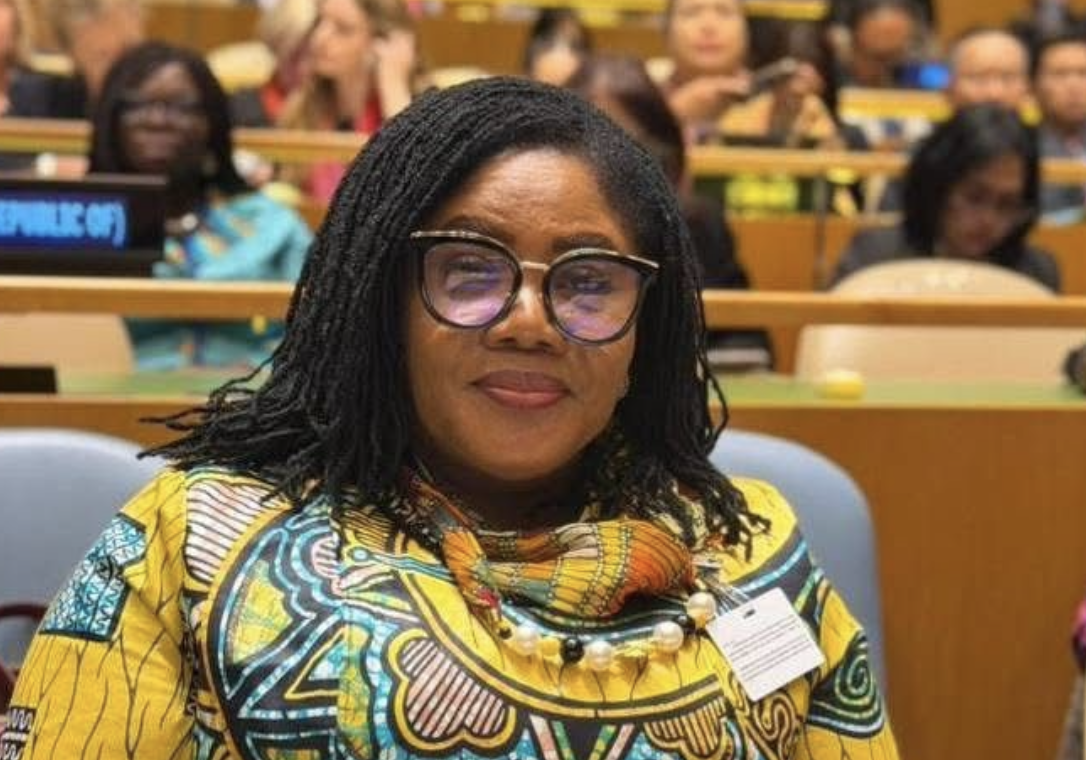
Senior Research Fellow at the Institute for Environment and Sanitation Studies (IESS) at the University of Ghana, Dr. Ted Nii Yemoh Annang, has called for a more comprehensive nati
The report indicates that senior Research Fellow at the Institute for Environment and Sanitation Studies (IESS) at the University of Ghana, Dr. Ted Nii Yemoh Annang, has called for a more comprehensive national approach to the demolition of structures obstructing waterways, arguing that isolated interventions will do little to address Ghana’s recurring flood disasters.
It further notes that speaking on JoyNews’ Newsfile on Saturday, July 11, Dr. Annang stated authorities must move beyond targeting individual buildings and instead undertake a watershed-wide exercise that restores the country’s natural drainage systems from their source to their outlets.
According to him, encroachment on rivers, streams and wetlands has developed gradually over many years, making piecemeal demolition exercises ineffective in reducing flood risks.
“The demolition should be extensive. It should be nationwide or watershed-wide because it started from a point and it started one by one,” he said.
“If we are going to do it, it should go to the root, not just single structures standing in waterways.”
Dr. Annang explained that flood management requires protecting the entire river basin rather than focusing only on visible obstructions within urban centres.
He noted that rivers function as interconnected systems made up of main channels, tributaries, wetlands and catchment areas, all of which play critical roles in conveying stormwater safely.
According to him, development that obstructs any part of these natural systems eventually disrupts the entire watershed and increases the likelihood of flooding downstream.
“The basin or the watershed, tributaries—all these are provided by nature to take care of the water that is flowing,” he said.
He emphasised that interventions aimed at reducing flood risks should therefore cover the full extent of affected watersheds rather than concentrating solely on individual structures located within major waterways.
The environmental researcher warned that attempts to block or alter natural watercourses through unregulated development are ultimately unsustainable.
He explained that when one section of a watershed is obstructed, floodwaters simply seek alternative routes, often causing damage in communities that may not previously have experienced severe flooding.
“If you block one side, the water will find its way sooner or later,” Dr. Annang cautioned.
His remarks underscore concerns among environmental experts that continued development within wetlands, floodplains and drainage corridors is increasing pressure on Ghana’s already constrained stormwater systems.