Small and medium-sized enterprises (SMEs), widely regarded as the backbone of Ghana’s economy, are increasingly adopting mobile money and digital payment solutions to improve effic
The report indicates that small and medium-sized enterprises (SMEs), widely regarded as the backbone of Ghana’s economy, are increasingly adopting mobile money and digital payment solutions to improve efficiency, strengthen financial management and unlock access to credit, according to MobileMoney Fintech LTD (MMFL).
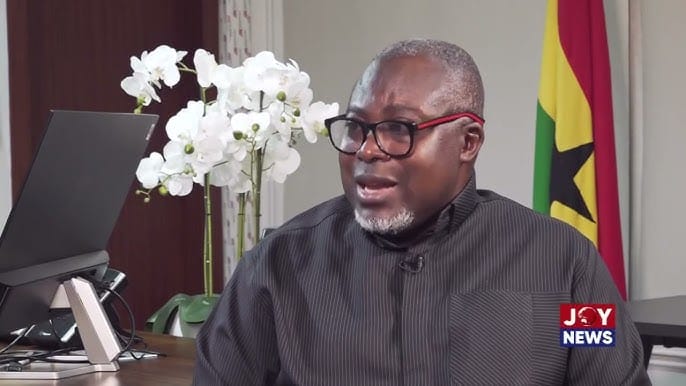
It further notes that speaking ahead of the 2026 World SME Day, observed on June 27, the Chief Commercial Operations Officer of MobileMoney Fintech LTD, Abdul Razak Issaka-Ali, stated digital financial services have evolved beyond simple money transfers into critical business tools that help entrepreneurs address key operational challenges.
He noted that many SMEs continue to grapple with cash handling, theft and limited visibility over daily transactions. However, digital payment solutions are helping business owners manage their finances more effectively while reducing the risks associated with carrying or storing cash.
“At the heart of this evolution is MMFL’s commitment to transforming the way people do business for the better. It is not just about digitising payments; it is about creating real impact for businesses.”
Mr Issaka-Ali stated merchant payment solutions now enable business owners to monitor transactions in real time, giving them greater control over revenue while improving accountability.
He explained that some MoMo solutions also allow shop attendants to receive customer payments without having direct access to business funds, helping businesses minimise internal leakages.
“We have tailored our solutions to meet the needs of SMEs. Business owners can track every payment made into their accounts, making it easier to manage cash flow, improve operational efficiency and make informed business decisions.”
According to him, improved visibility over business transactions is also helping SMEs build credible financial records, making it easier to demonstrate their creditworthiness.
Beyond payments, he identified access to finance as another major area where digital financial services are creating opportunities for small businesses.
Mr Issaka-Ali stated digital transaction histories now enable financial institutions to assess businesses based on their financial activity rather than relying solely on traditional collateral requirements.
“In the past, many small businesses struggled to access loans because they lacked assets that financial institutions could use to assess their creditworthiness. Today, digital financial footprints are opening new opportunities for entrepreneurs to secure funding and grow their businesses.”
Looking ahead, he stated there remains significant potential to deepen digital financial inclusion, particularly among SMEs operating in rural and underserved communities where digital adoption remains comparatively low.
He expressed confidence that continued innovation, stronger collaboration across the financial ecosystem and customer-focused solutions would further empower Ghanaian businesses, improve productivity and support the country’s transition to a more inclusive digital economy.
Mr Issaka-Ali made the remarks during his appearance on the on-air series of the Citi Business Festival.