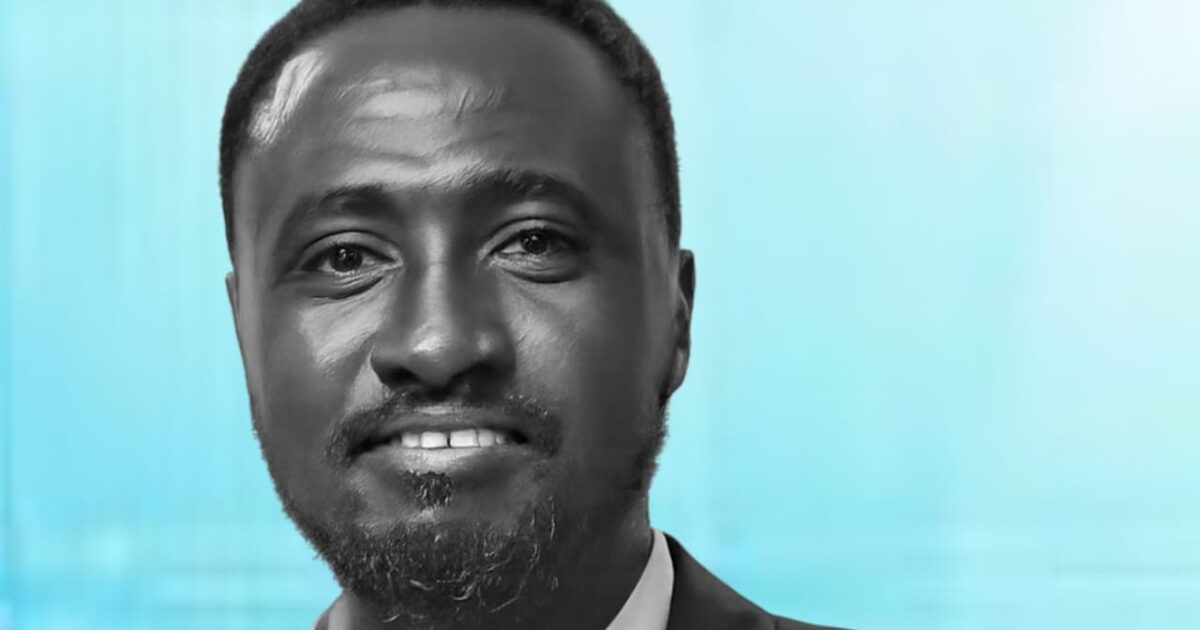
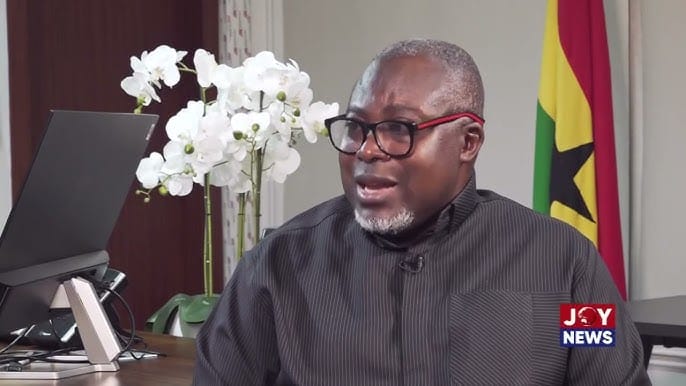
Founder and Executive Chair of e-Crime Bureau, Dr Albert Antwi-Boasiako, says the cost of cybercrime has become so large that it must be treated as a major economic threat, not onl
The report indicates that founder and Executive Chair of e-Crime Bureau, Dr Albert Antwi-Boasiako, says the cost of cybercrime has become so large that it must be treated as a major economic threat, not only a technology or law-enforcement problem.
It further notes that he says online fraud, identity impersonation, phishing, brand impersonation and other cyber-enabled crimes are draining value from individuals, businesses and economies across the world.
“If you look at the cybercrime economy globally, the losses are very significant. If cybercrime were a country, it would be one of the largest economies in the world. West Africa carries a significant share of these losses, and Ghana is situated clearly within West Africa,” he said.
Dr Antwi-Boasiako was speaking in a yet-to-be-aired documentary, “The Trust Crisis,” ahead of the maiden Digital Economy Forum under the theme, “The Trust Crisis: Why Fraud Is Holding Back Ghana’s Digital Economy.”
The thought-leadership platform, an initiative of Hubtel, will air on JoyNews and Joy FM on Wednesday, July 22, 2026, at 8 p.m.
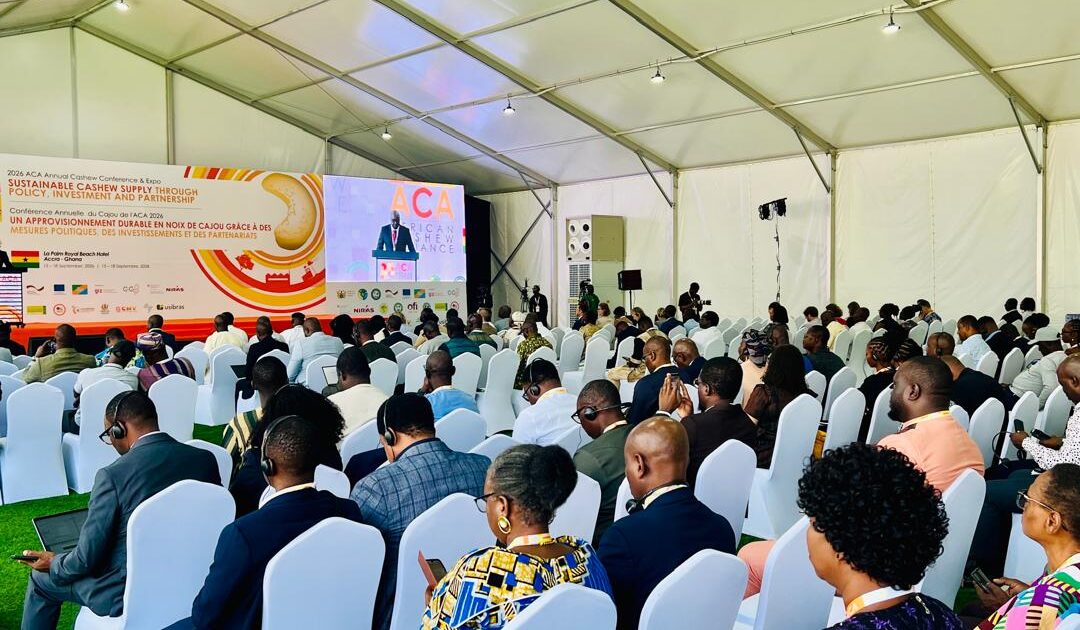
The forum will bring together regulators, banks, fintech companies, telecommunications firms, cybersecurity experts, businesses and consumers to examine how fraud is affecting confidence in Ghana’s digital economy.
Dr Antwi-Boasiako’s warning reflects the scale of cybercrime losses being recorded globally.
Cybersecurity Ventures, an industry research firm, estimates that global cybercrime costs reached about $10.5 trillion annually by 2025, up from $3 trillion in 2015. The firm says those costs were projected to grow by 15 percent annually over five years.
Measured against national economies, the figure gives a sense of the threat. World Bank data puts the United States’ GDP at about $30.8 trillion in 2025 and China’s at about $19.5 trillion. A $10.5 trillion cybercrime economy would therefore sit behind those two if treated as a national economy.
For Dr Antwi-Boasiako, the global cost matters because Ghana is not outside the threat environment. He stated cybercriminals exploit gaps wherever they find them, including in advanced countries with stronger digital systems.
“Cybercriminals are exploiting gaps everywhere, even in advanced countries. Awareness is key. If you are a digital user, due diligence is important. Government has a responsibility to improve awareness, but institutions also have a responsibility,” he added.
The concern is becoming more urgent as Ghana’s digital economy expands. More people are using mobile money, banking apps, online marketplaces and social media platforms to send money, receive payments, buy goods and access services.
That growth has created convenience and inclusion, but it has also increased the number of users exposed to digital fraud.
Dr Antwi-Boasiako stated the growth of digital financial services has a direct relationship with the type of fraud now being recorded. He stated Ghana’s fraud risks have changed as the country has moved away from a largely cash-based economy.