There is a weary, paradoxical narrative long assigned to Africa: a continent matchless in natural wealth, holding 40 per cent of the world’s renewable energy potential, 18 trillion
The report indicates that there is a weary, paradoxical narrative long assigned to Africa: a continent matchless in natural wealth, holding 40 per cent of the world’s renewable energy potential, 18 trillion cubic meters of natural gas, and vast critical mineral reserves, yet constrained by systemic energy poverty.
It further notes that today, over 600 million Africans live without access to electricity. It is a story of resources divorced from results, and potential decoupled from power.
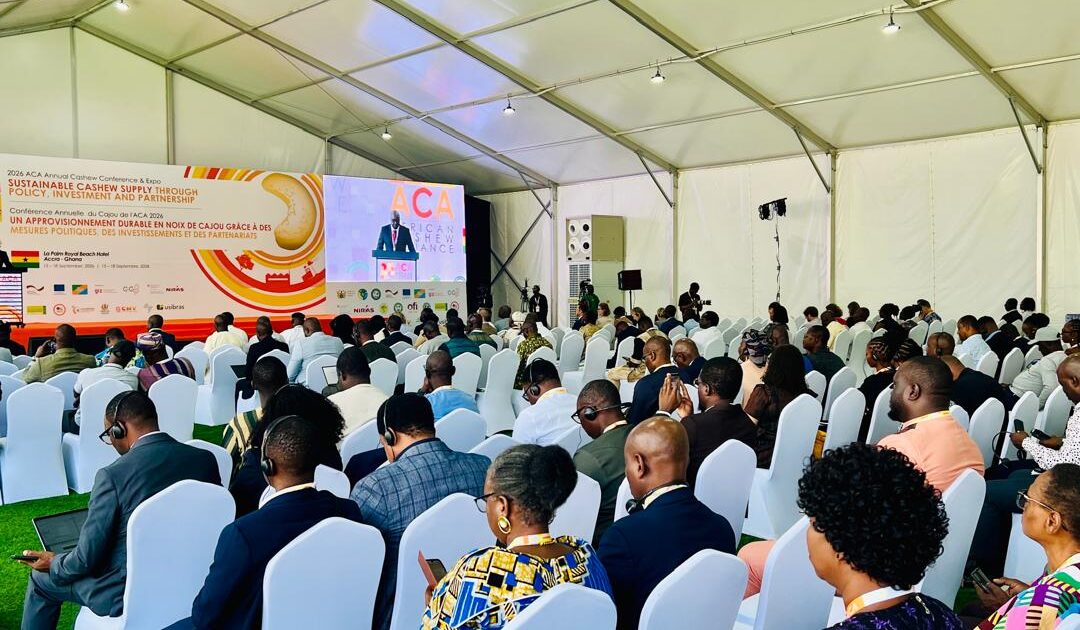
It was against this backdrop that the Africa Energy Technology Conference (AETC 2026) convened in Accra under the defining theme, “From Borders to Bridges: Driving Intra-African Trade & Development through Energy & Technology Services.”
The imperative was clear: to transition Africa from economic isolation to structural harmonisation.
Critically, the platform refused to decouple energy from technology. Energy without technology is merely dormant potential; technology without energy is an unbacked aspiration. Together, they constitute the foundational infrastructure of a modern, integrated African economy.
At this third edition of AETC, a paradigm shift took root, one defined by deliberate, courageous, and institutionalised execution. At the vanguard of this shift is the Africa Energy Technology Centre (AETC), a pan-African institution headquartered in Accra, Ghana.
The Centre’s mandate is to pivot Africa from a passive consumer of imported technologies into an active, globally competitive producer of homegrown innovation.
“The future is not something we wait for,” posited Emelia Cedar-Palm Akumah, Founder and President of AETC, during her plenary address. “It is an architecture we build deliberately, courageously, and sustainably.”
The paradox of Africa’s energy deficit is not a crisis of geology; it is a crisis of coordination, financing, and sustained political will. Under the African Continental Free Trade Area (AfCFTA), the continent commands a market of 1.4 billion people with a combined GDP exceeding $3 trillion. Yet, intra-African trade stagnates below 20 per cent.
The reality is stark: trade cannot move at the speed of economic ambition when infrastructure moves at the speed of regional bureaucracy. Without integrated energy systems, regional value chains remain entirely theoretical.
To bridge this chasm, the AETC has deployed three interconnected flagship initiatives engineered to fundamentally restructure Africa’s energy architecture:
1. The Youth Energy Entrepreneurship & Incubation Program (YEEIP)
Launched systematically during the conference, YEEIP shifts youth demographics from passive observers to active equity owners of Africa’s energy destiny. Targeting high-potential graduates and early-stage innovators, the programme delivers rigorous technical training, structured business incubation, mentorship, and catalytic seed funding.
By preparing the next generation of energy-tech pioneers to become investment-ready, YEEIP ensures that the demographic inheriting the consequences of today’s decisions holds a seat at the table where those decisions are negotiated.