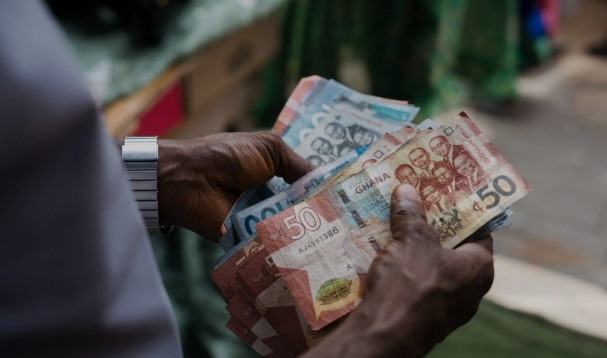
The Bank of Ghana (BoG) has defended its decision to maintain the Monetary Policy Rate (MPR) at 14 per cent, saying easing global oil prices, a favourable inflation outlook and str
The report indicates that the Bank of Ghana (BoG) has defended its decision to maintain the Monetary Policy Rate (MPR) at 14 per cent, saying easing global oil prices, a favourable inflation outlook and strong external reserves have given policymakers confidence to keep borrowing costs unchanged while monitoring evolving economic risks.
It further notes that speaking on Joy FM’s Super Morning Show on Thursday, July 23, the Bank of Ghana Director of Research, Dr Philip Abradu-Otoo, explained that the decision by the Monetary Policy Committee (MPC) at its 131st meeting was guided by a cautious assessment of both domestic and global economic conditions.
He stated the committee considered it prudent to leave the benchmark interest rate unchanged, arguing that while uncertainty remains in the global economy, Ghana’s macroeconomic fundamentals have strengthened sufficiently to withstand potential external shocks.
Dr Abradu-Otoo noted that concerns about developments in the international oil market had played a central role in the committee’s previous policy decision.
He recalled that when the MPC last met in May, crude oil prices had surged to more than US$100 per barrel, raising fears that higher fuel costs could spill over into domestic prices and reverse the country’s progress in reducing inflation.
“The uncertainty in the global oil market and the level to which crude oil prices had risen were among the main reasons the committee maintained its policy stance,” he explained.
According to him, policymakers were particularly concerned that sustained increases in global energy prices could feed into inflation through higher transport costs, production expenses and imported goods.
However, Dr Abradu-Otoo stated the latest assessment showed that conditions had improved since the previous meeting.
Although global uncertainties persist, he observed that crude oil prices have retreated from their earlier highs, reducing the immediate risk of imported inflation.
“In fact, if you look at where crude oil prices were during our previous meeting, they have declined somewhat from those levels,” he said.
He added that the bank’s latest economic projections indicate that inflation is likely to remain on a stable path rather than accelerate sharply.
“When I say the outlook is benign, I mean our forecasts do not suggest inflation will rise significantly above where we expect it to be,” he explained.
The committee therefore concluded that there was little evidence to suggest recent developments in global commodity markets would substantially alter Ghana’s inflation trajectory.
Dr Abradu-Otoo also pointed to the Bank of Ghana’s improved external reserves as an important safeguard against global economic shocks.