He described critical minerals as “the new oil, the fuel of the green transition and the foundation of tomorrow’s economy,” but stressed that the key question Africa must confront
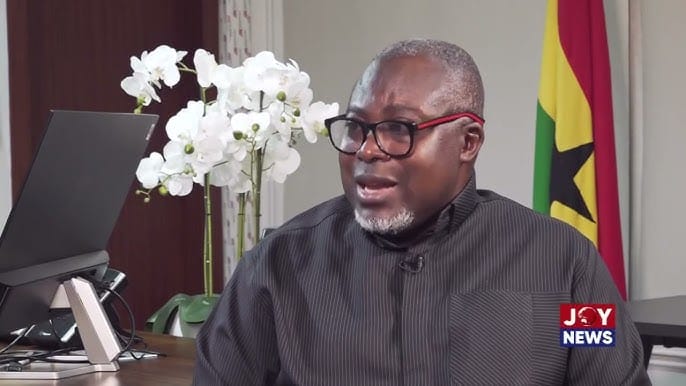
The report indicates that the Acting Chief Executive of the Millennium Development Authority (MiDA), Alexander Kofi-Mensah Mould, has cautioned African leaders and policymakers against allowing the continent’s emerging critical minerals boom to become another resource curse.
It further notes that he urged a new approach centred on good governance, value addition and inclusive development.
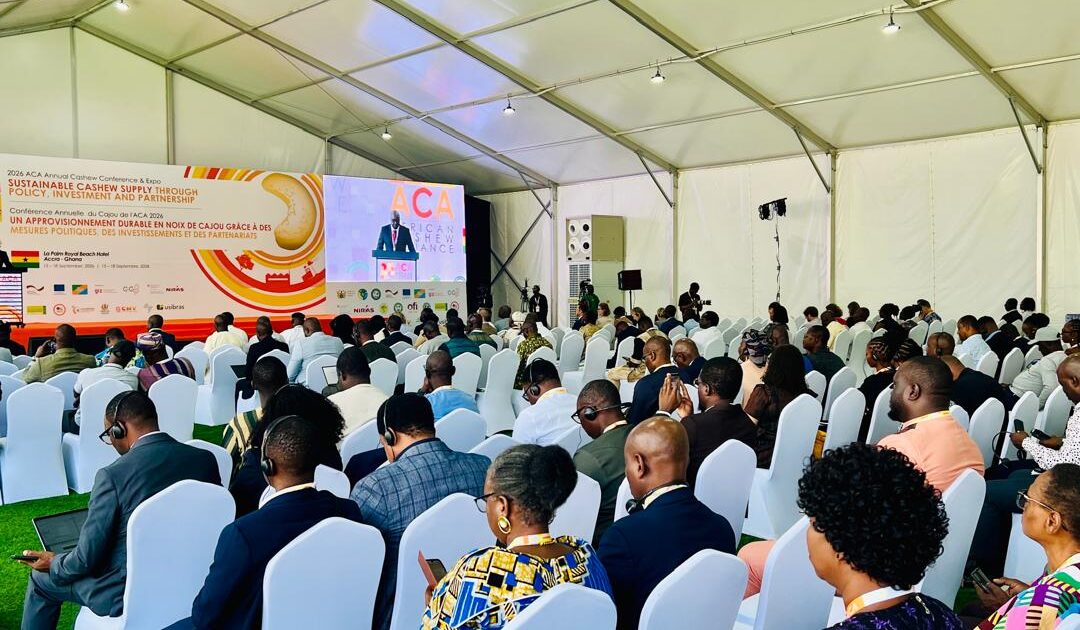
Mr Mould made the call while delivering the opening remarks at the High-Level Conference on Governance, Critical Minerals and Conflict in Africa, organised by the Open Society Foundations (OSF), in Accra.
The three-day conference, which brought together government officials, policymakers, development partners, researchers and civil society actors, is examining how Africa can responsibly harness its critical mineral resources to promote peace, strengthen democratic governance and drive sustainable economic transformation.
According to the MiDA CEO, Africa is entering a defining period in its development journey as critical minerals become increasingly important to the global economy, particularly in the transition to cleaner energy, advanced manufacturing and emerging technologies.
He described critical minerals as “the new oil, the fuel of the green transition and the foundation of tomorrow’s economy,” but emphasised that the key question Africa must confront is not only what the world wants from the continent, but what Africa wants for itself.
“Before we ask what the world wants from Africa, perhaps we should ask a more important question: What does Africa want for itself?” he said.
Mr Mould noted that the growing global demand for minerals such as lithium, cobalt, graphite and other strategic resources presents Africa with an extraordinary opportunity.
However, he warned that natural resource wealth on its own has never been a guarantee of prosperity.
He pointed to the experiences of resource-rich countries around the world, noting that while some nations have successfully transformed their natural resources into stronger institutions, diversified economies and improved living standards, others have experienced conflict, inequality and instability.
“The difference was never simply the resource. The difference was governance,” he stated.
The MiDA Boss explained that effective governance goes beyond the extraction and management of mineral resources. “It requires building institutions that command public trust, ensuring transparency and accountability, managing expectations fairly and ensuring that communities benefit meaningfully from the resources found within their territories.”
He cautioned that when citizens and host communities feel excluded from the benefits of their natural wealth, economic opportunities can quickly become sources of frustration and tension.
“When people feel excluded from the benefits of their own natural wealth, opportunity can give way to frustration, and frustration can all too easily give way to instability,” he said.