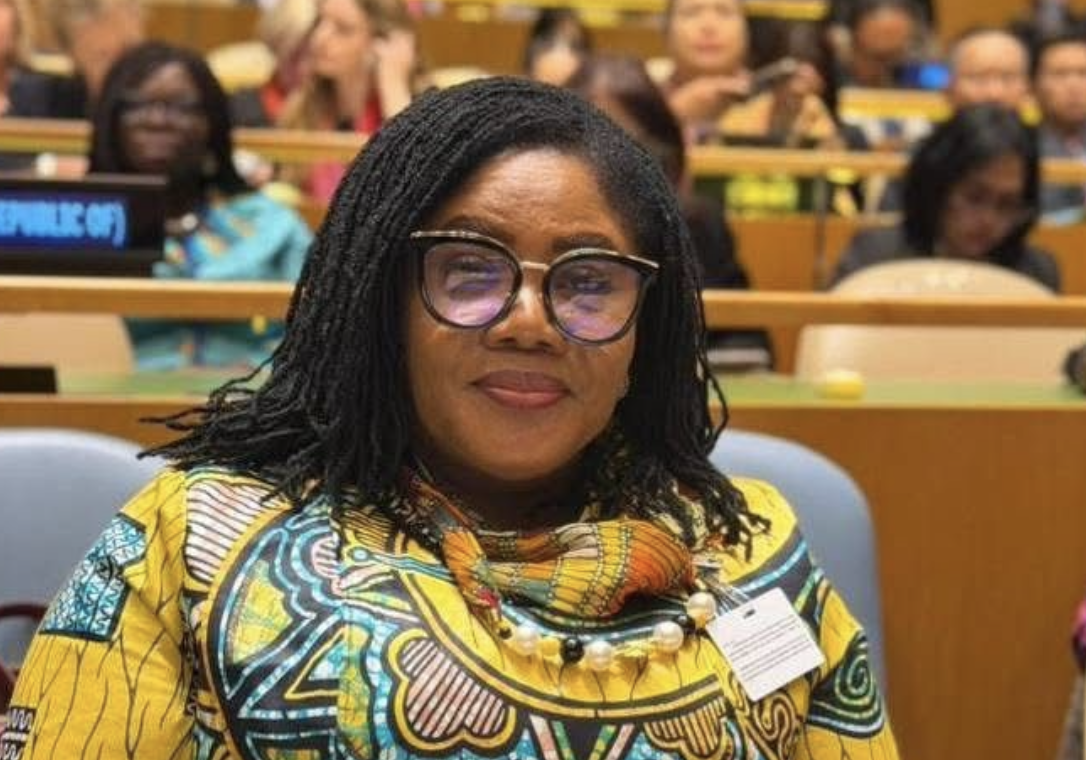
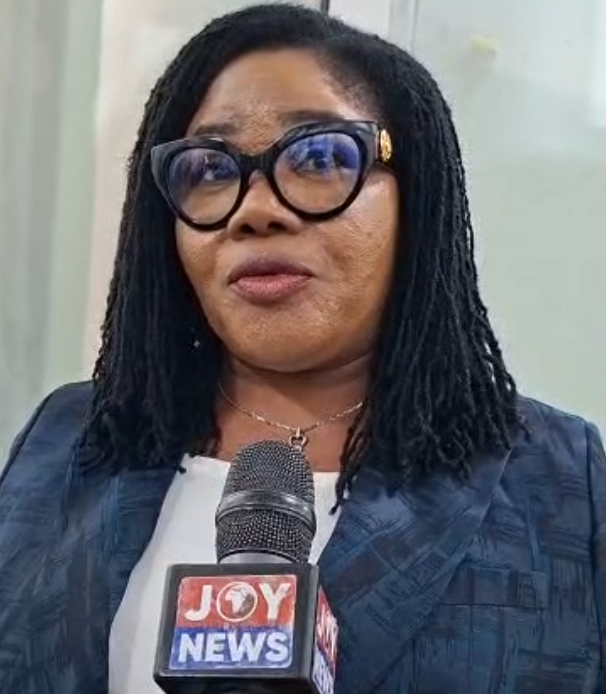
He argues that barely nine weeks after Ghana exited the International Monetary Fund (IMF) Extended Credit Facility (ECF) programme, the Mahama administration is back in Parliament
The report indicates that ranking Member on Parliament’s Economy and Development Committee, Kojo Oppong Nkrumah, has questioned the government’s fiscal strategy.
It further notes that he argues that barely nine weeks after Ghana exited the International Monetary Fund (IMF) Extended Credit Facility (ECF) programme, the Mahama administration is back in Parliament seeking approval for almost $1 billion in fresh loans.
According to the Ofoase-Ayirebi MP, the latest borrowing requests raise concerns about the government’s domestic revenue mobilisation efforts and the country’s long-term debt sustainability.
Speaking during debate on a motion seeking parliamentary approval for several international financing agreements, Mr Oppong Nkrumah urged the House not to assess each loan in isolation but to consider the cumulative borrowing taking place within a short period after the IMF programme ended.
Opening his remarks with the French expression, “Plus ça change, plus c’est la même chose”—meaning “the more things change, the more they remain the same”—he argued that despite government’s declaration that Ghana had successfully exited the IMF programme, the country’s dependence on external borrowing appears to be continuing.
He recalled that on May 15, 2026, the government announced Ghana’s successful exit from the IMF ECF programme, describing it as a major milestone in the country’s economic recovery.
However, he noted that just nine weeks later, Parliament is being asked to approve borrowing close to $1 billion.
According to him, the package includes about $300 million for the education sector, $500 million for road infrastructure, roughly $22 million for the Ministry of Finance, in addition to net borrowing of about $180 million already captured in the 2026 Budget.
Mr Oppong Nkrumah clarified that the Minority is not opposed to the projects being financed.
Having served in both government and opposition, he acknowledged that development financing serves legitimate national purposes and emphasised that his concern was not with the sectors earmarked to benefit from the loans.
Instead, he argued that the key issue is why the government has returned to the debt market so soon after the IMF programme ended.
The former Information Minister stated government had assured Ghanaians during the 2026 Budget that it had a stronger fiscal strategy capable of removing taxes while increasing revenue to 18 per cent of GDP.
He stated he publicly supported that target at the time.
However, he argued that government’s own fiscal reports show the target has not been achieved.