For more than 110 children, the first anniversary of the Ghana Medical Trust Fund (GMTF) represents more than a milestone. It is a second chance at life.
The report indicates that for more than 110 children, the first anniversary of the Ghana Medical Trust Fund (GMTF) represents more than a milestone. It is a second chance at life.
It further notes that at the National Cardiothoracic Centre at Korle Bu Teaching Hospital alone, more than 150 patients facing financial barriers to lifesaving cardiac treatment are being supported by the Fund. About 110 of them are children.
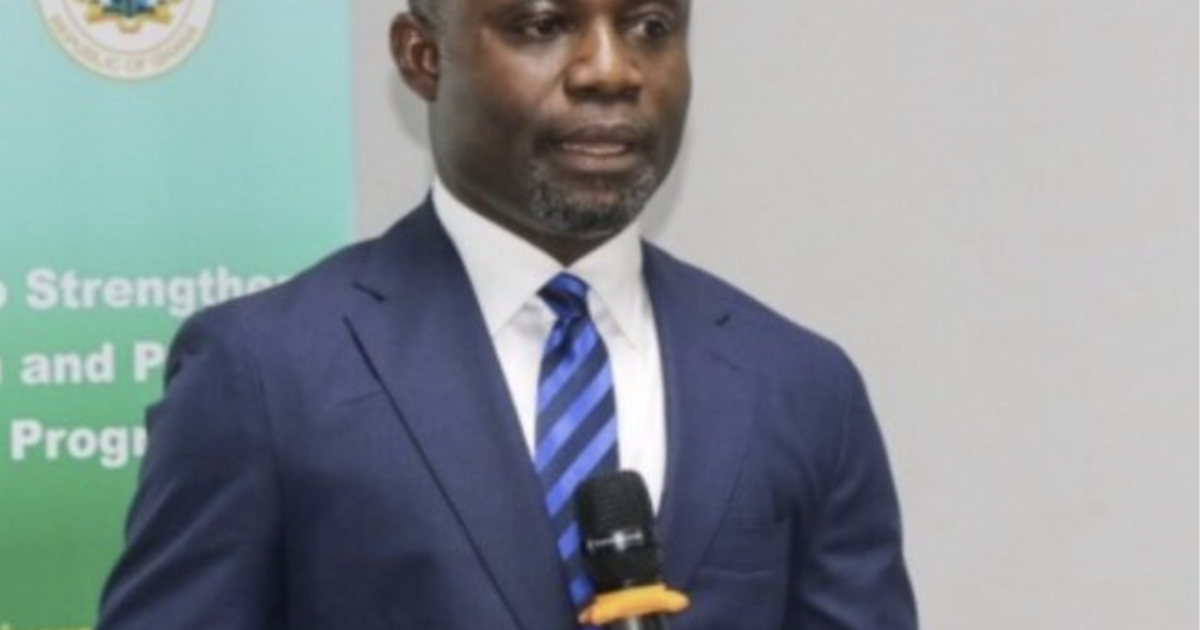
For Dr Kow Entsua-Mensah, Head of the National Cardiothoracic Centre, the figures represent futures that could otherwise have been lost.
Behind every patient, he said, is a human being whose future could have been cut short because a family could not afford lifesaving treatment.
The intervention is particularly significant for children diagnosed with serious heart conditions. Many families face the difficult choice between the cost of treatment and other basic needs.
Dr Entsua-Mensah stated the Fund is helping to change that reality, giving children the opportunity to return to school, play with their peers and pursue their ambitions.
These children, he said, “will grow stronger, play with their peers, return to school, pursue education and vocational training and eventually contribute to Ghana’s development.”
He believes some could go on to become doctors, teachers, engineers, entrepreneurs, artists and national leaders.
The impact of the Fund has also extended to critical infrastructure at the National Cardiothoracic Centre.
In 2025, a fire destroyed the Centre’s cardiac catheterisation laboratory, a critical facility for diagnosing and treating complex heart conditions.
By the end of July 2026, the Ghana Medical Trust Fund had replaced the facility with a state-of-the-art cardiac catheterisation centre.
Since its opening, more than 60 patients have undergone complex lifesaving procedures at the new facility, with additional patients awaiting treatment.
During the Fund’s initial 50-case pilot, 15 patients were sponsored for lifesaving procedures at the National Cardiothoracic Centre. That support has since expanded, with more than 150 patients onboarded for care.
For Dr Entsua-Mensah, the Fund’s impact goes beyond the money spent, the equipment acquired, or the procedures performed.